Online Resident Artist:
IMOGEN RIGDEN
Why and where I make work
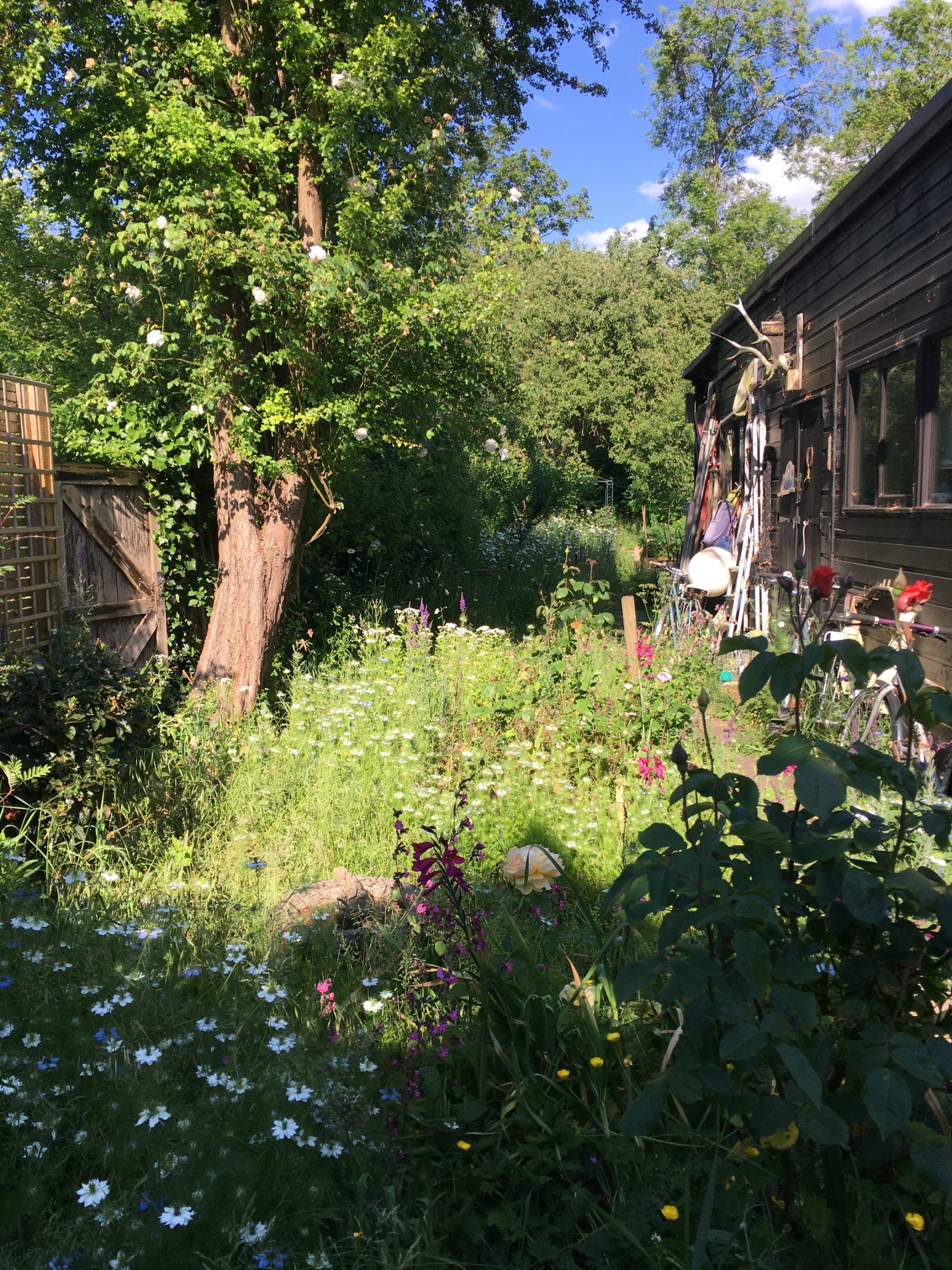
I live in a small village on the outskirts of Oxford, at the line of encroachment between town and country. The busy Oxford ring road provides a constant background hum, often becoming a roar at peak traffic times. We have a long, narrow garden which reaches down into a scrubby wooded area bordering a neglected lake, then a railway line, the canal, more scrubland and then the mayhem of roads and the building of a vast new science park and a new housing development.
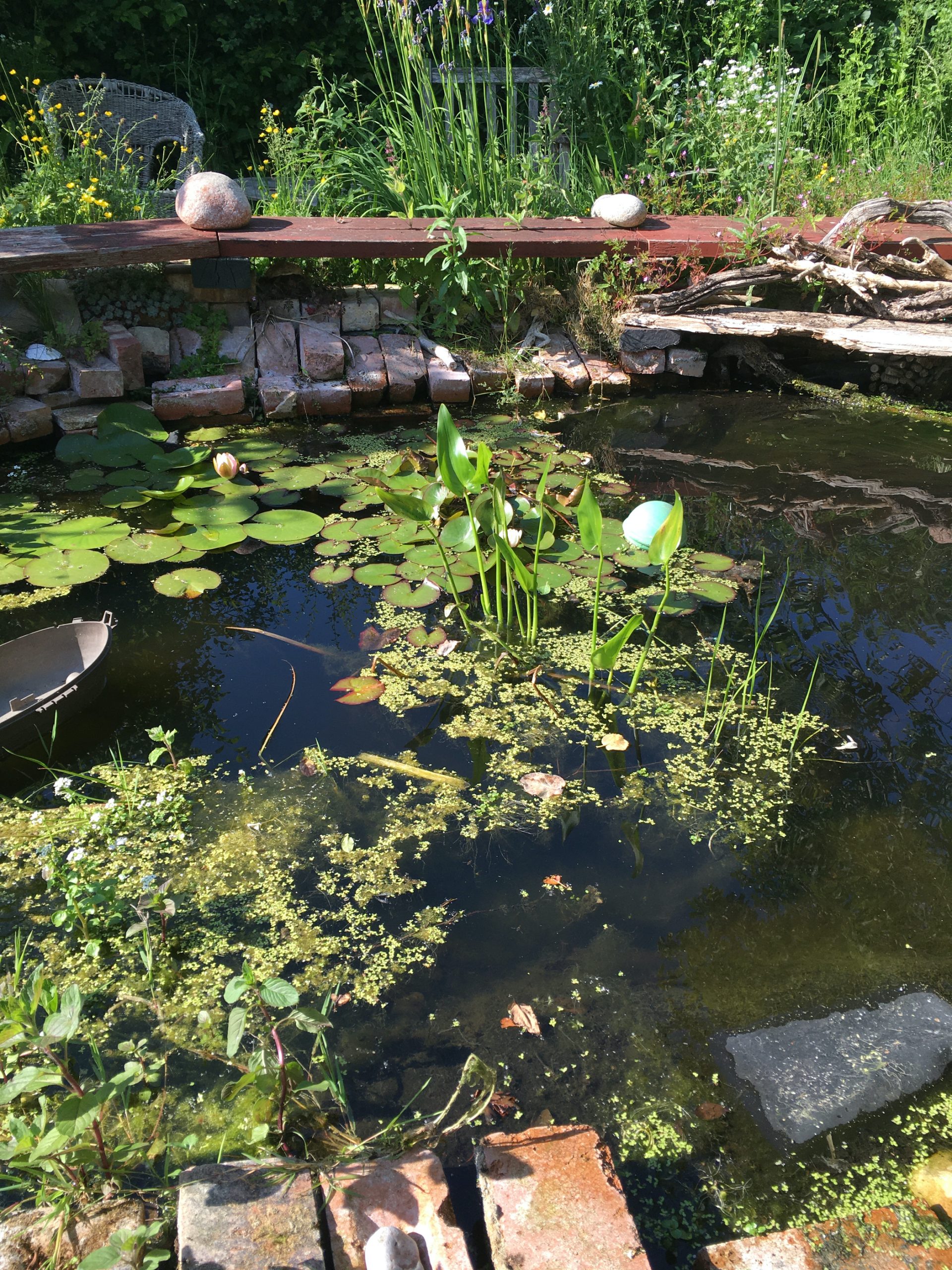
The woodland, scrub, lake and canal are the salvation of birds, insects and mammals. We have a visiting badger or two, roe deer and muntjac, tawny owls and foxes. The bird population is high in number and varied. We anticipate the arrival of swallows and house martins and the winter visiting wild fowl. Our woodland garden has been poison-free for over 30 years, with a flourishing pond and as many trees as we can accommodate. These trees, including a healthy black poplar, and our thick, high hedge of native species, increase the serviceable garden area for many creatures. We fear light pollution for the owls, bats, moths and the trees, which depend on dark skies, and we nurture wild plants for the insects and minibeasts. Our pond is a magical and mysterious habitat for newts, toads and the very occasional frog.
I was born in another edge-land on the other side of Oxford. We had a garden which bordered a tangly woodland and gave onto a couple of meadows belonging to the local village church. We heard cuckoos and nightingales in the summer and the sky teemed with swifts. This seemed normal. My mother kept an extensive garden bird list and my interest in their songs and habits began then. We hosted a small wild animal clinic where we gave first aid to downed swifts and injured squirrels and bats.
When they built that section of the Oxford ring road we witnessed the disappearance of the nightingales and a reduction in the overall population of birds in the area. The swift colony was evicted when the roof of the village school was modernised.
All this is no doubt why my work speaks of change and shifting values. I hope to give the observer a portal to dream their way into the natural world and to consider its role and importance in their lives.
We often feel the need to retreat to a wilder place. We visit the Cairngorm mountains and Spey valley of North East Scotland and the wild coast of North Finistère in Brittany. These environments heal us with their wide skies, cold waters and interesting weather and I constantly draw on my experience of them in my practice.
It is always hard to describe an art practice which employs so many different media and which stretches back for many decades, but I can perceive a line running through it.
I began by sketching, mainly on coastlines. I trained in drawing and painting for more than a decade, learning from passionate amateurs and expert teachers and then studied Contemporary Art at OVADA (Oxford Visual Arts Development Agency) where I was a student for two years at the excellent and challenging Warehouse Art School (now Art Sauce). I spent a further two years learning techniques and skills in Contemporary Painting at OVADA. I continue to learn new skills whenever I need them for a project. https://art-sauce.org/
I initially held a studio at the OVADA Warehouse and then moved to my present location in the Oxfordshire Cotswolds, Wilcote Arts Studios, in search of a larger space.https://wilcoteart.wordpress.com
Every two or three years I embark on a large body of work for a solo show at The North Wall Gallery, Oxford. Here I can exhibit work with no commercial focus, alongside work for sale. http://www.thenorthwall.com/
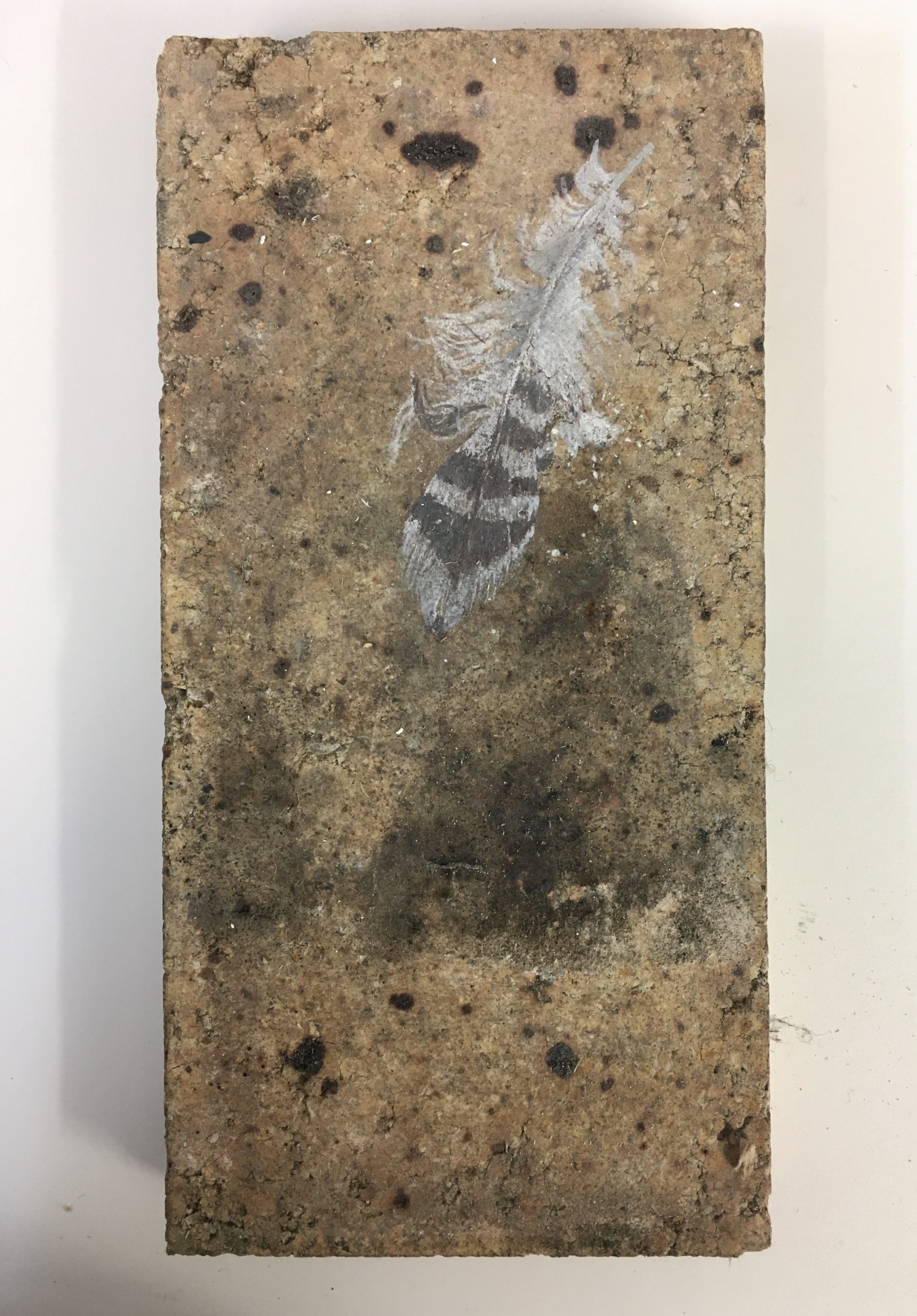
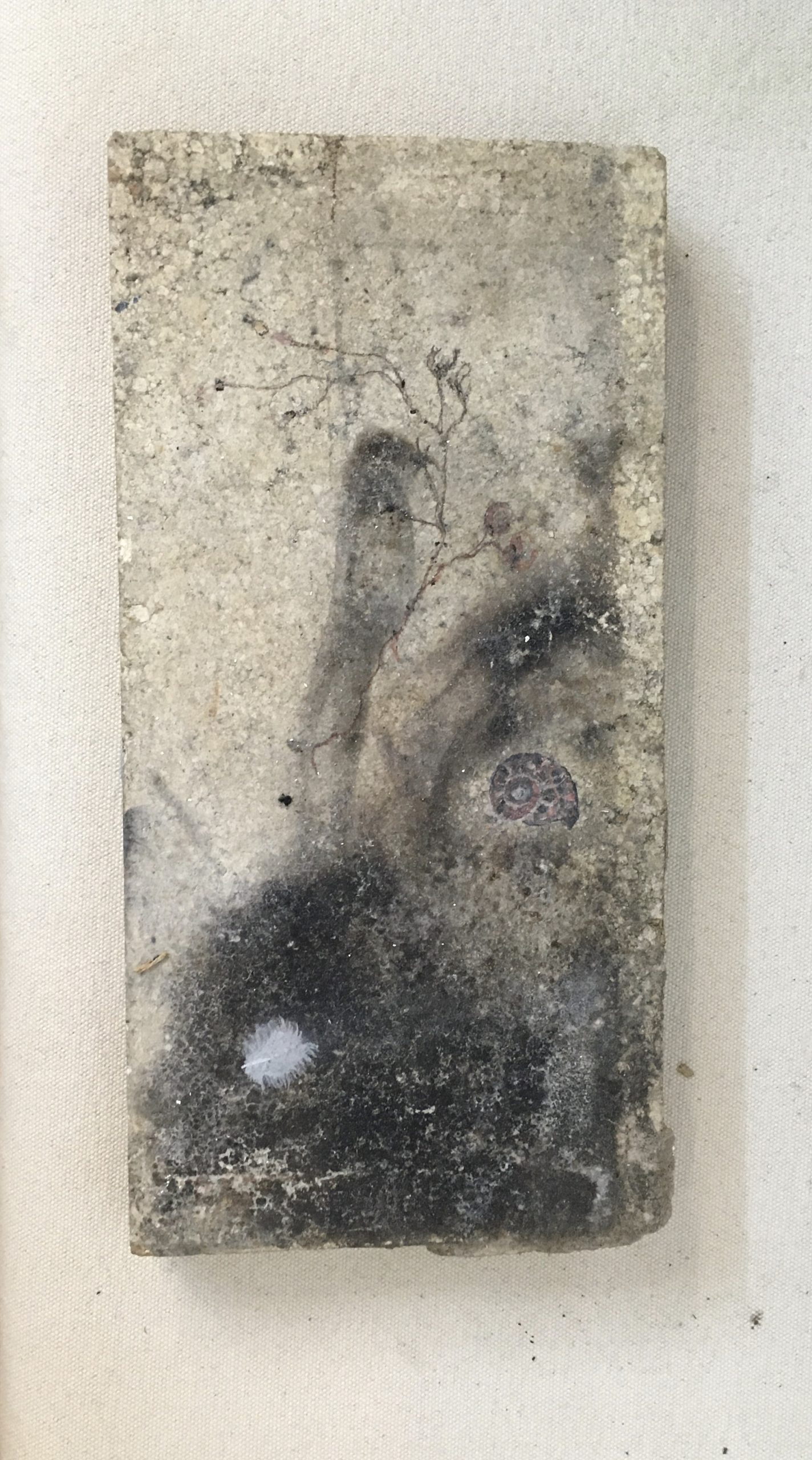
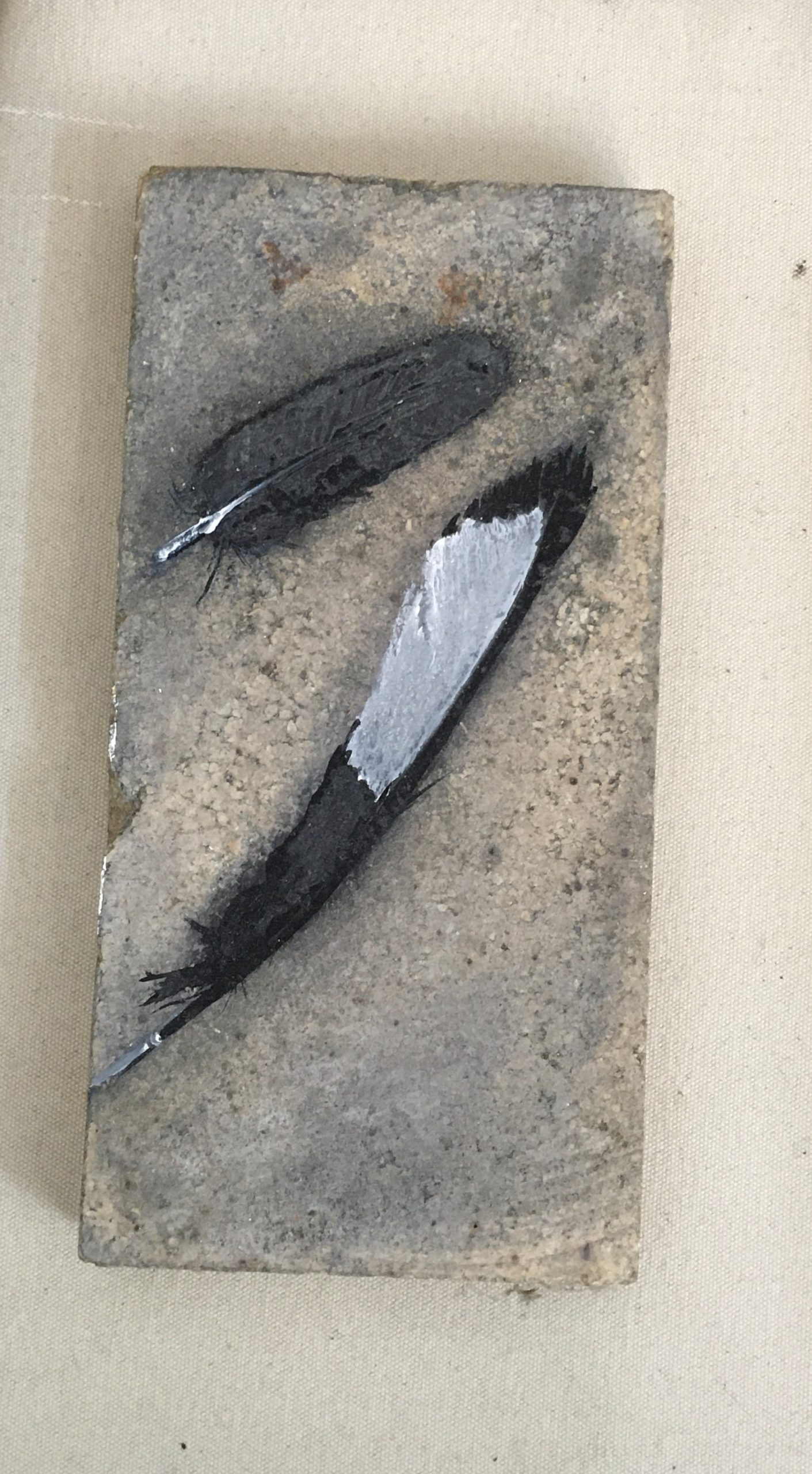
Occasionally I make and place objects in an urban setting and I wait until they are taken, photographed or noticed by passers-by. The urban space turns into an unofficial gallery for that brief moment.
http://www.imogenrigden.art/work/installations-and-other-three-dimensional-work/
I regularly make work influenced by our wild garden. I have used the plants to make natural dyes for a long string of wild street-plant bunting (to celebrate the abundant and unhindered growth of wild street plants in lockdown 2020) and to colour wool for a small sculpture called FLORA. (Both were installed in my second solo show at The North Wall Gallery in Oxford called Wilderness Bewilderness in May 2022. I am learning how to weave grasses, rushes and small branches, and have made a textile portrait of our front garden. I am planning to include the results of this work at my next solo at the North Wall in February 2025, perhaps to be called Impermanence.
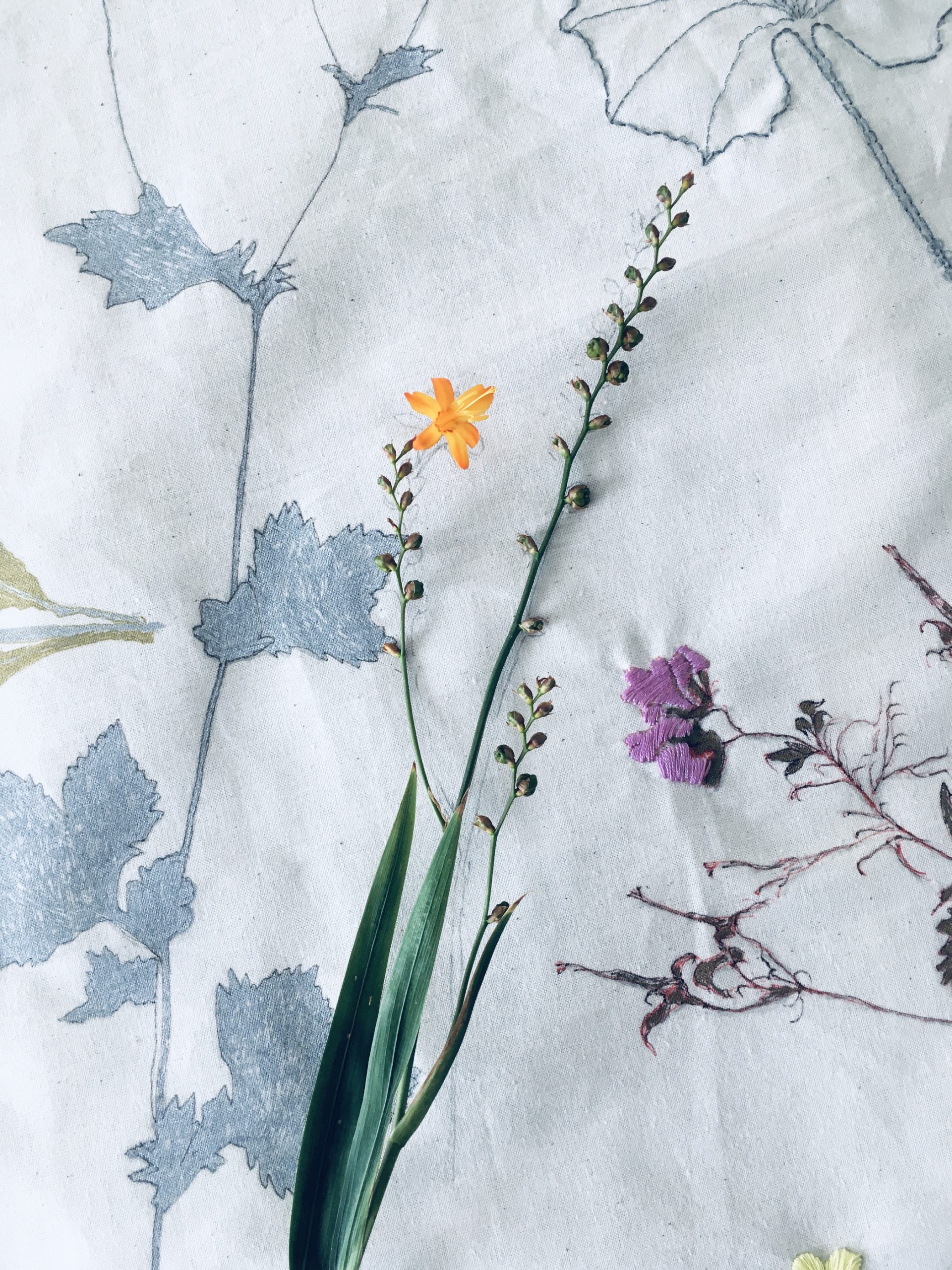
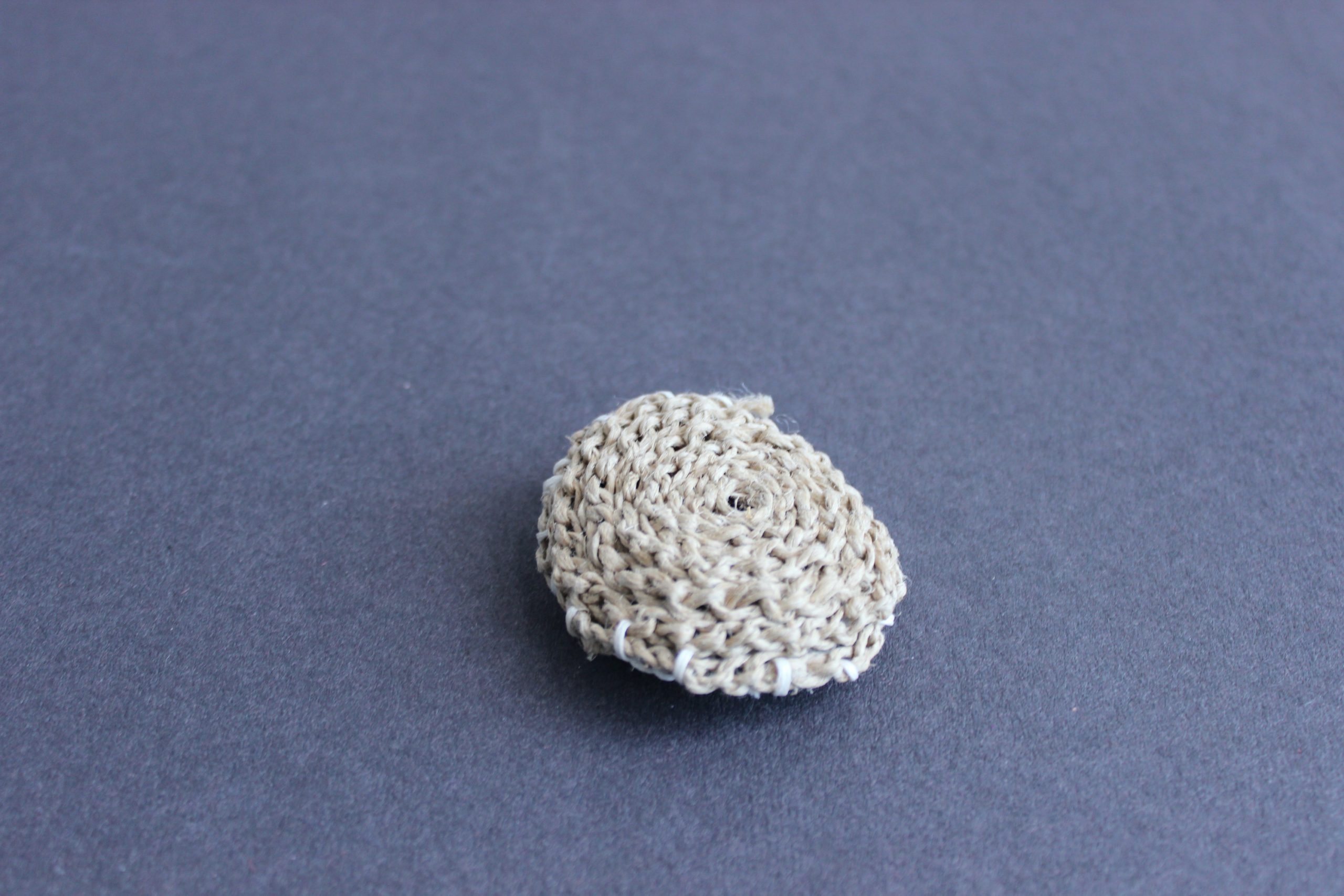
Basketry inspired by nature
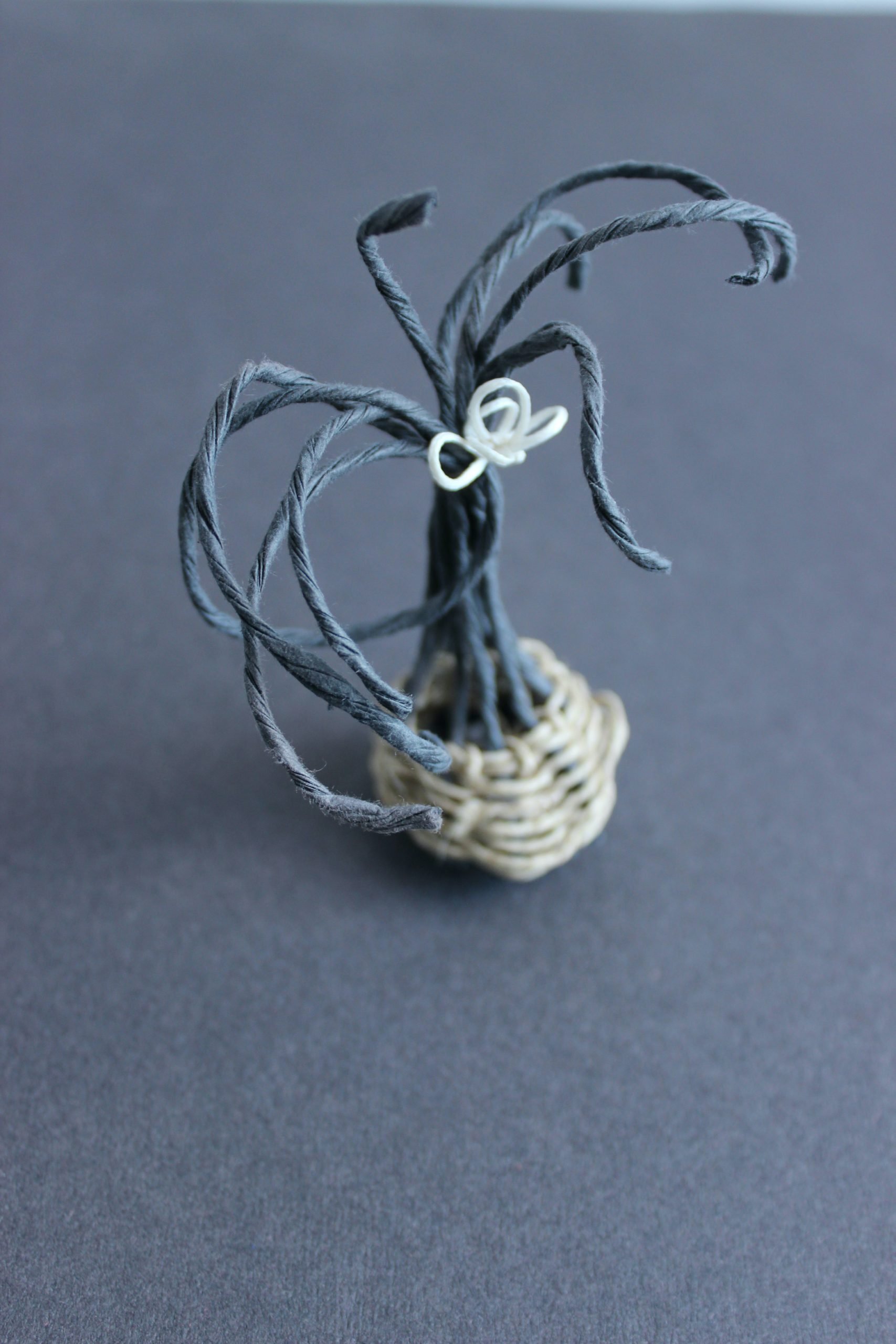
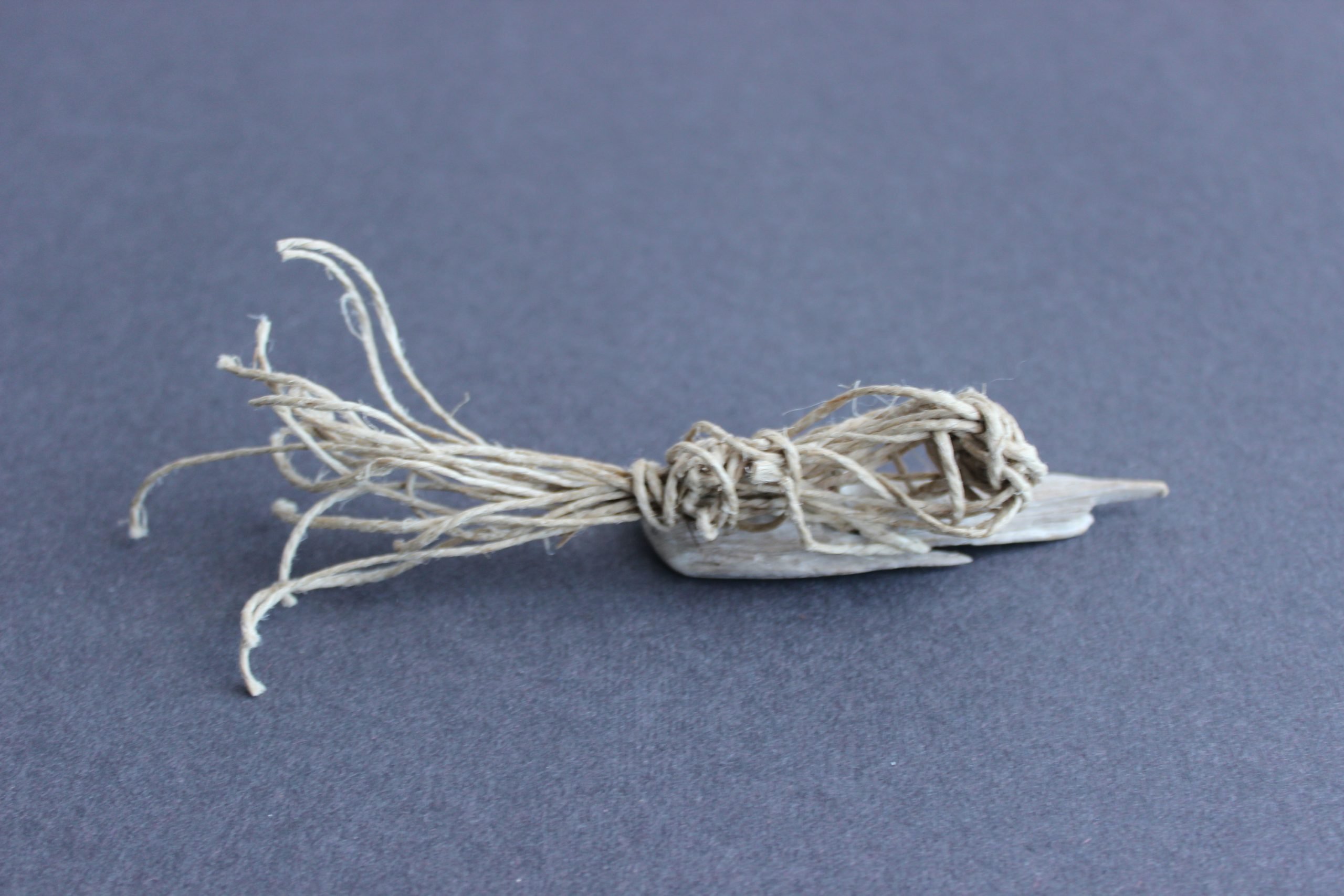
Small basketry objects influenced by the shapes of wild plants gone to seed. Materials: include raffia, household string and waxed thread.


Drawings inspired by contemplation of wild garden plant life
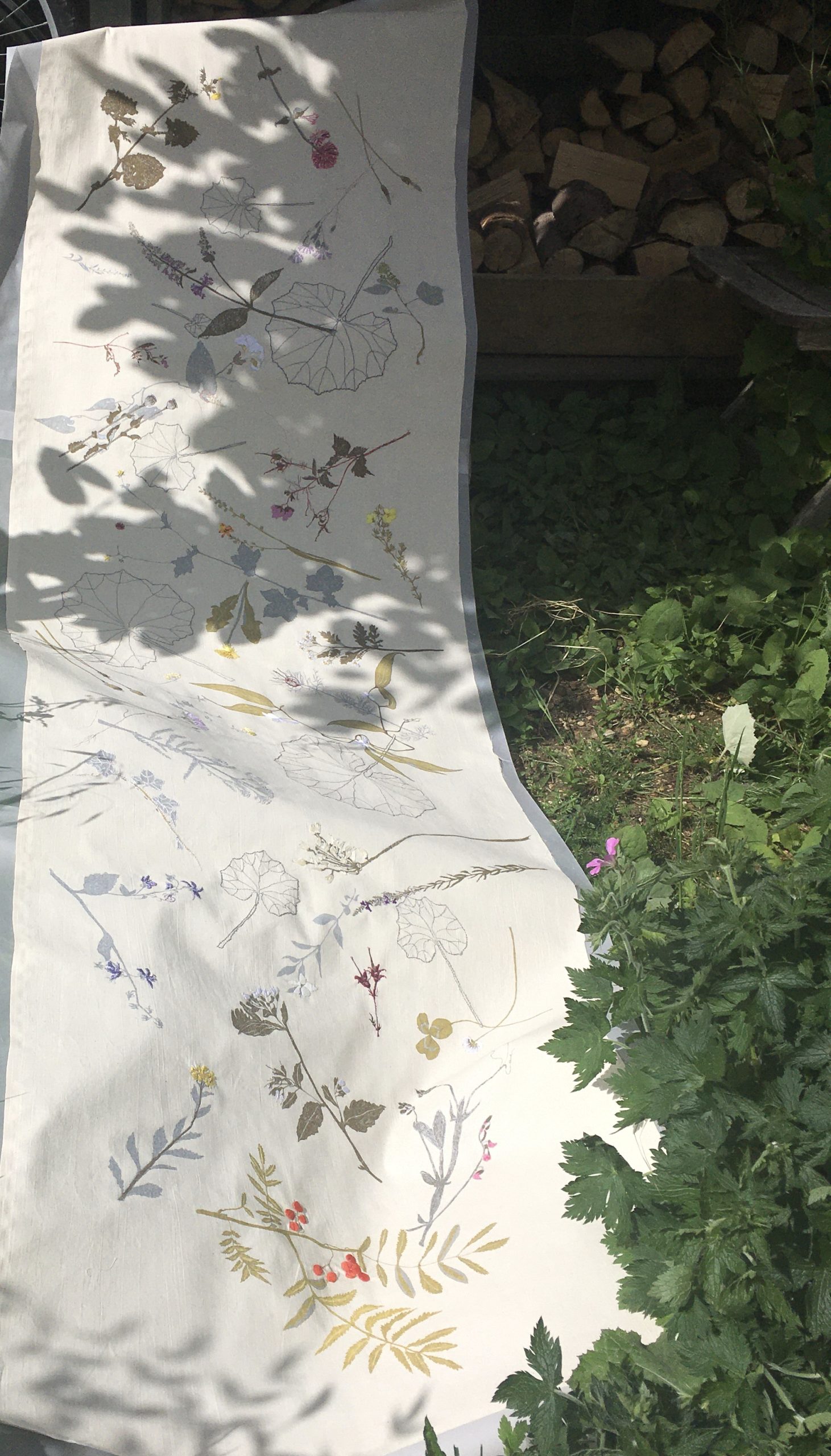
Title: Our front garden. This will be shown at my next solo show at the North Wall in February 2025.
This textile piece (below) is a snapshot of our front garden with its mix of plants, mostly wild. Materials – drawn in ink, embroidered in silk and cotton thread on calico. Size: 300 x 73 cm. Drawings (right) all life size.
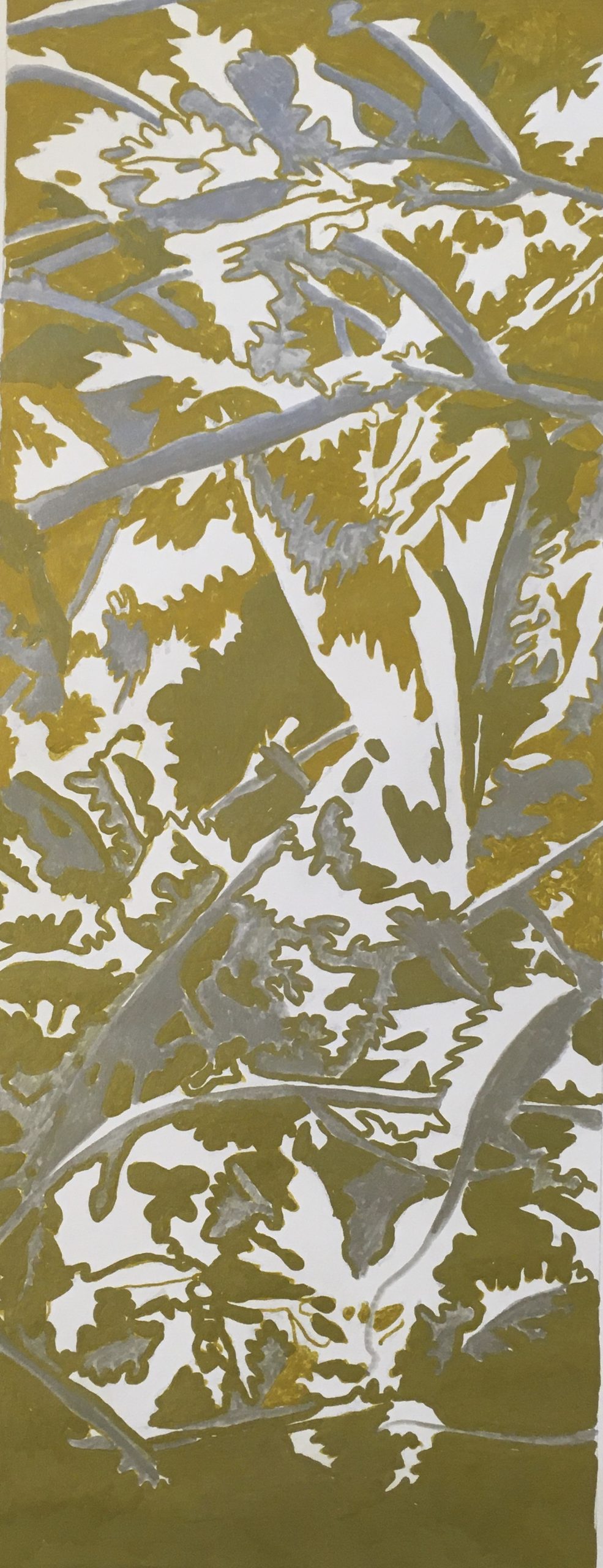
Dyeing with plants
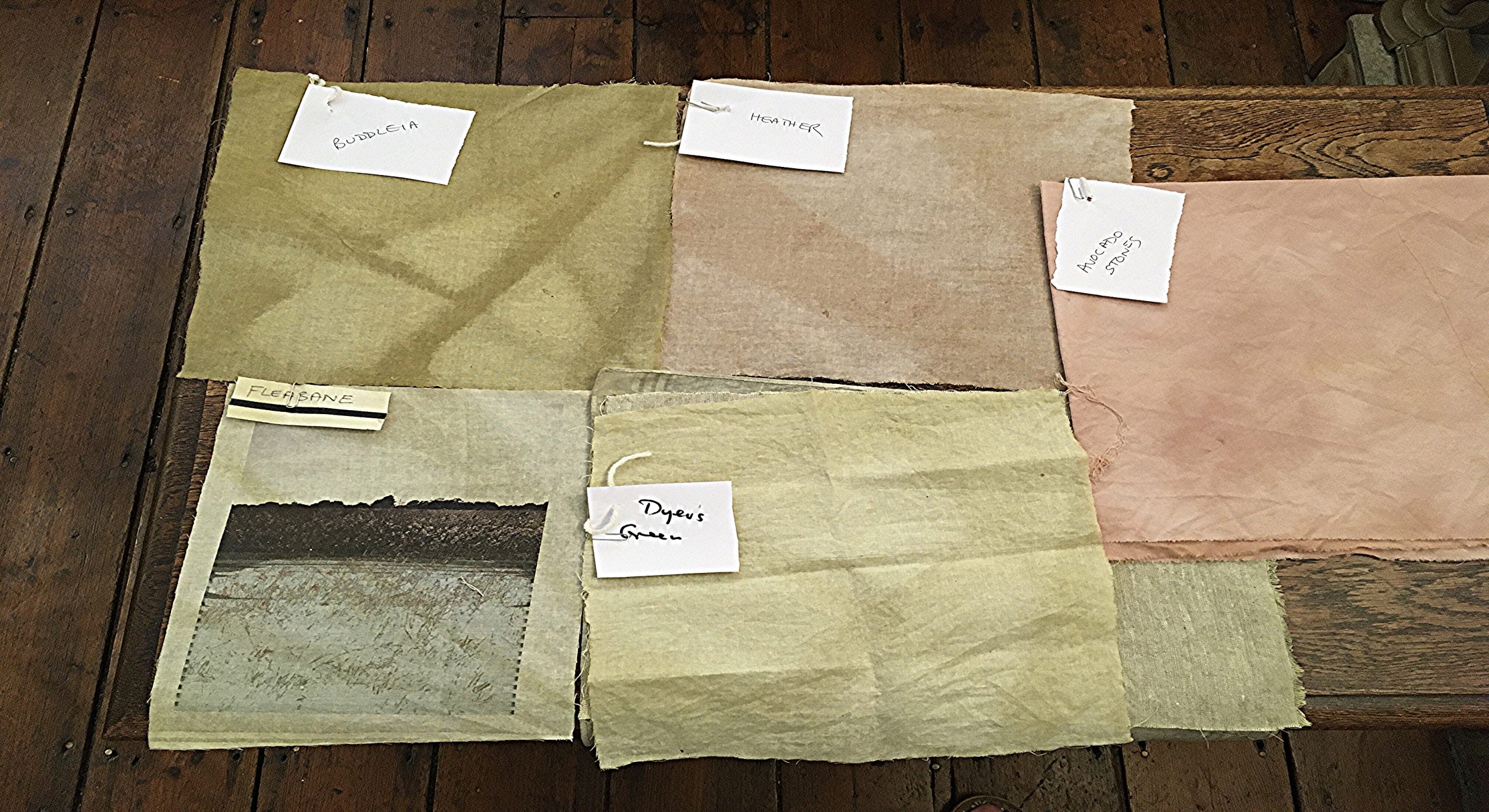
The harvest of plants, preparation of the materials to be dyed and the making and storage of the dye, all require careful records and labelling, especially since the processes can be fiddly and colour differences are subtle. I tend to make and use a batch of dyes and then run to my painting studio to relax into expansive abstracts.
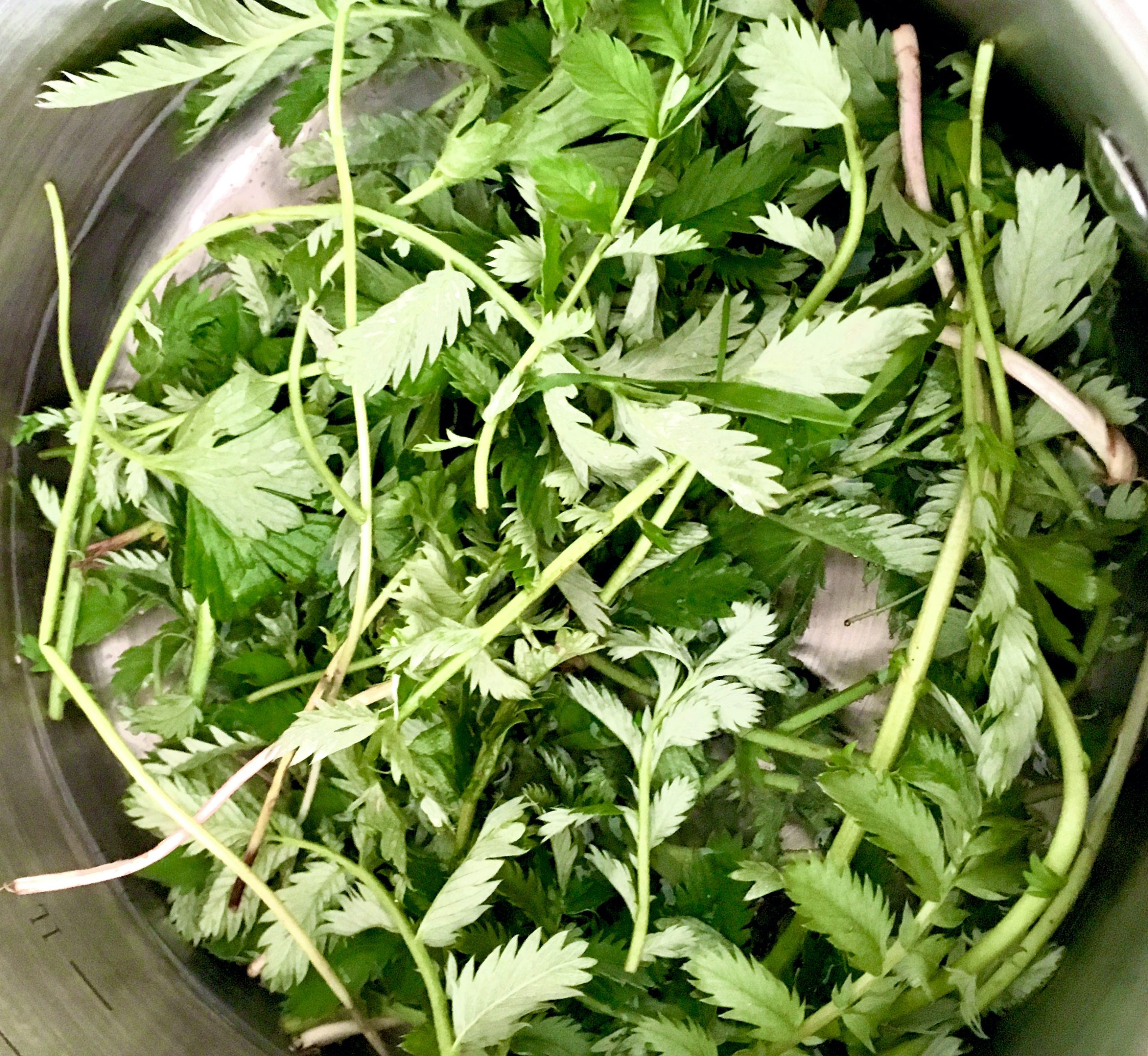
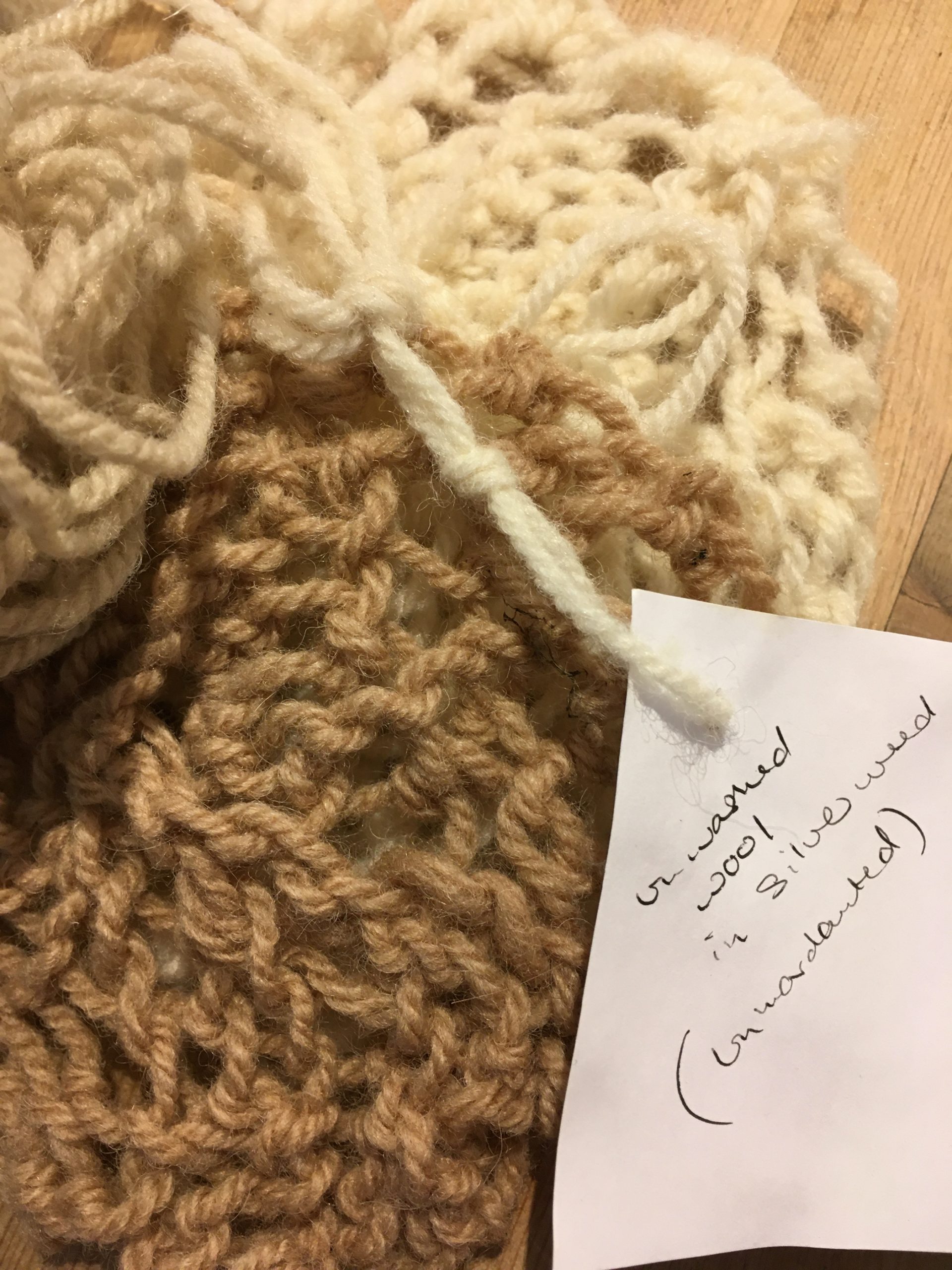
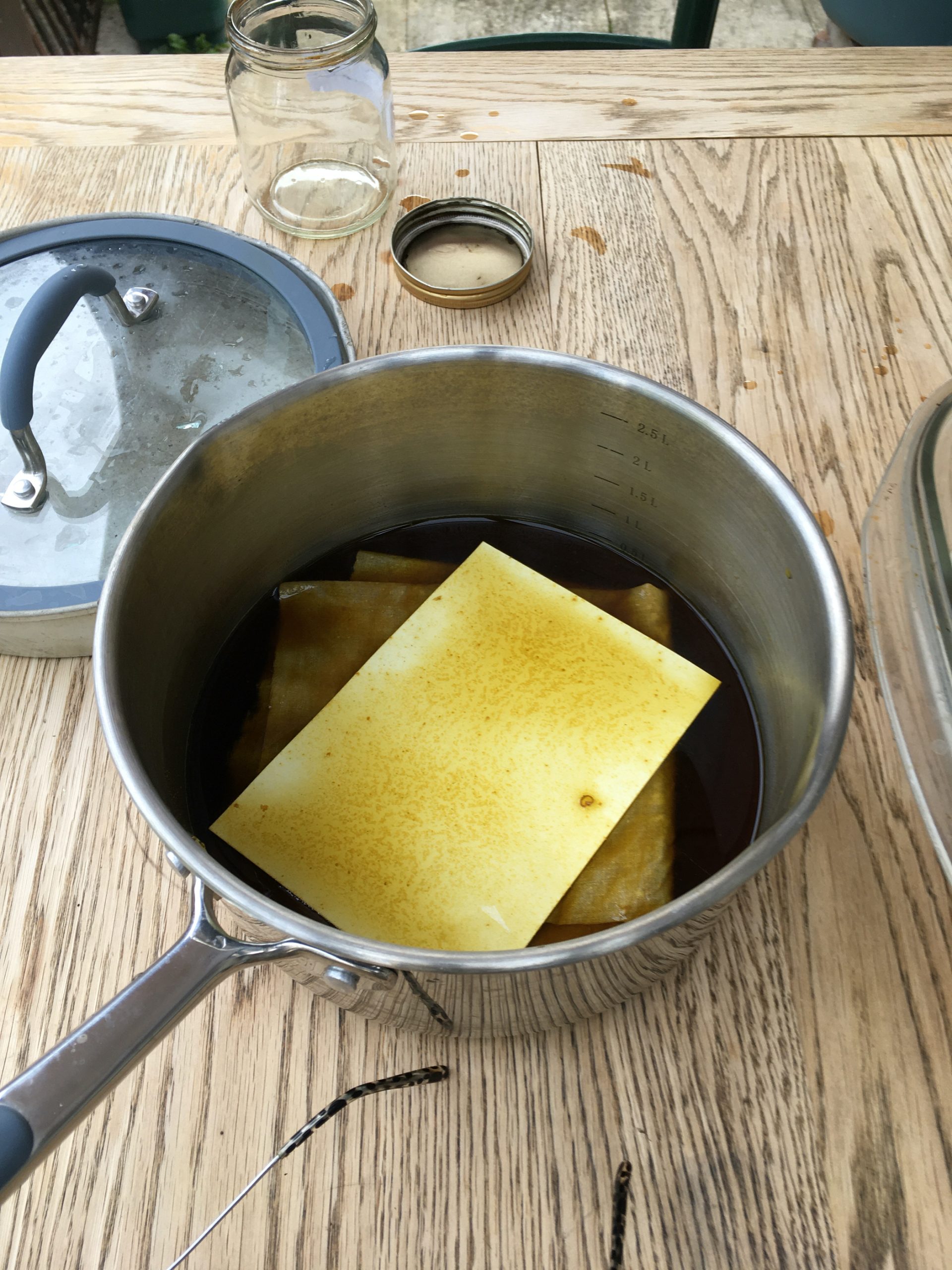
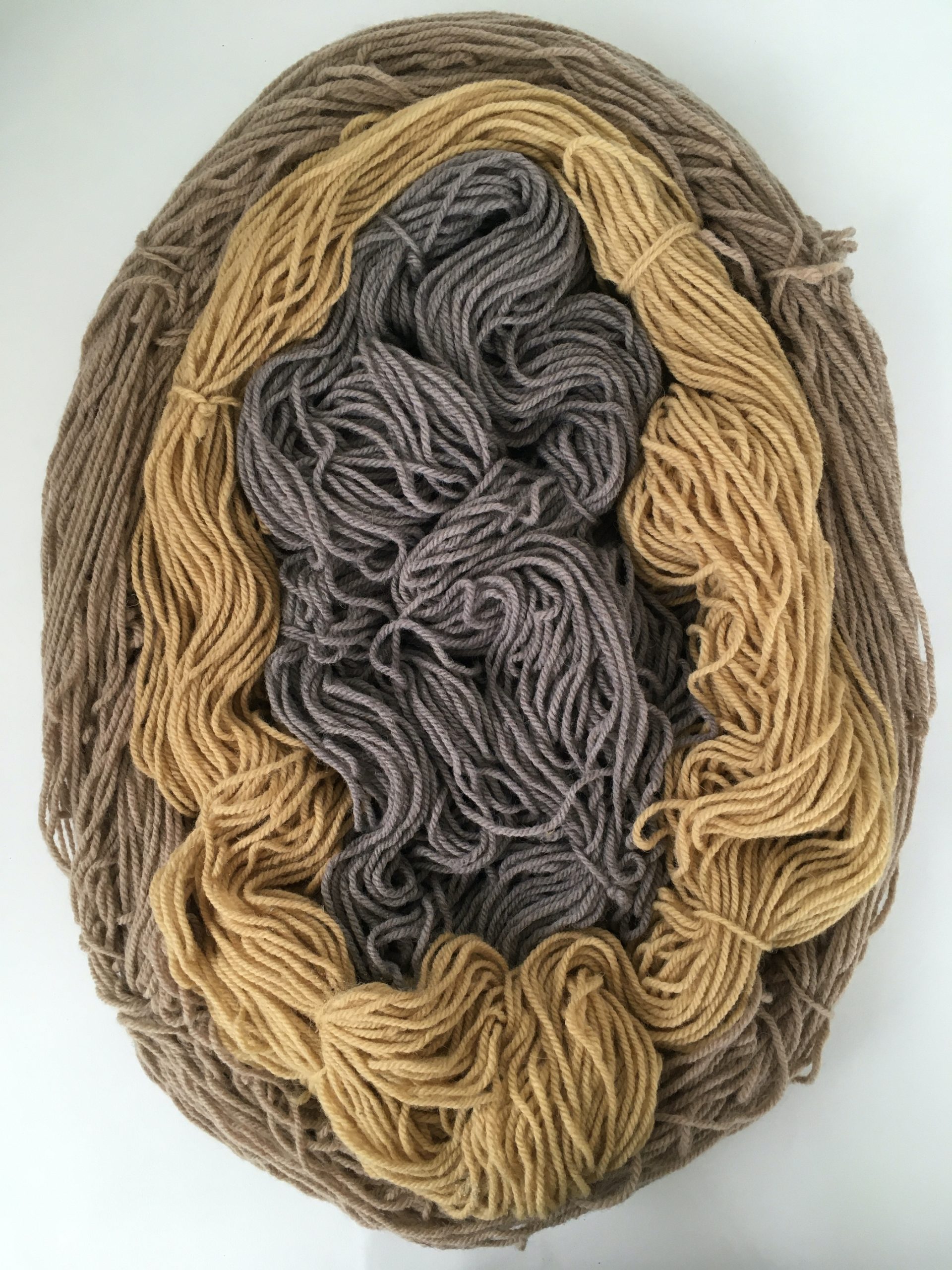

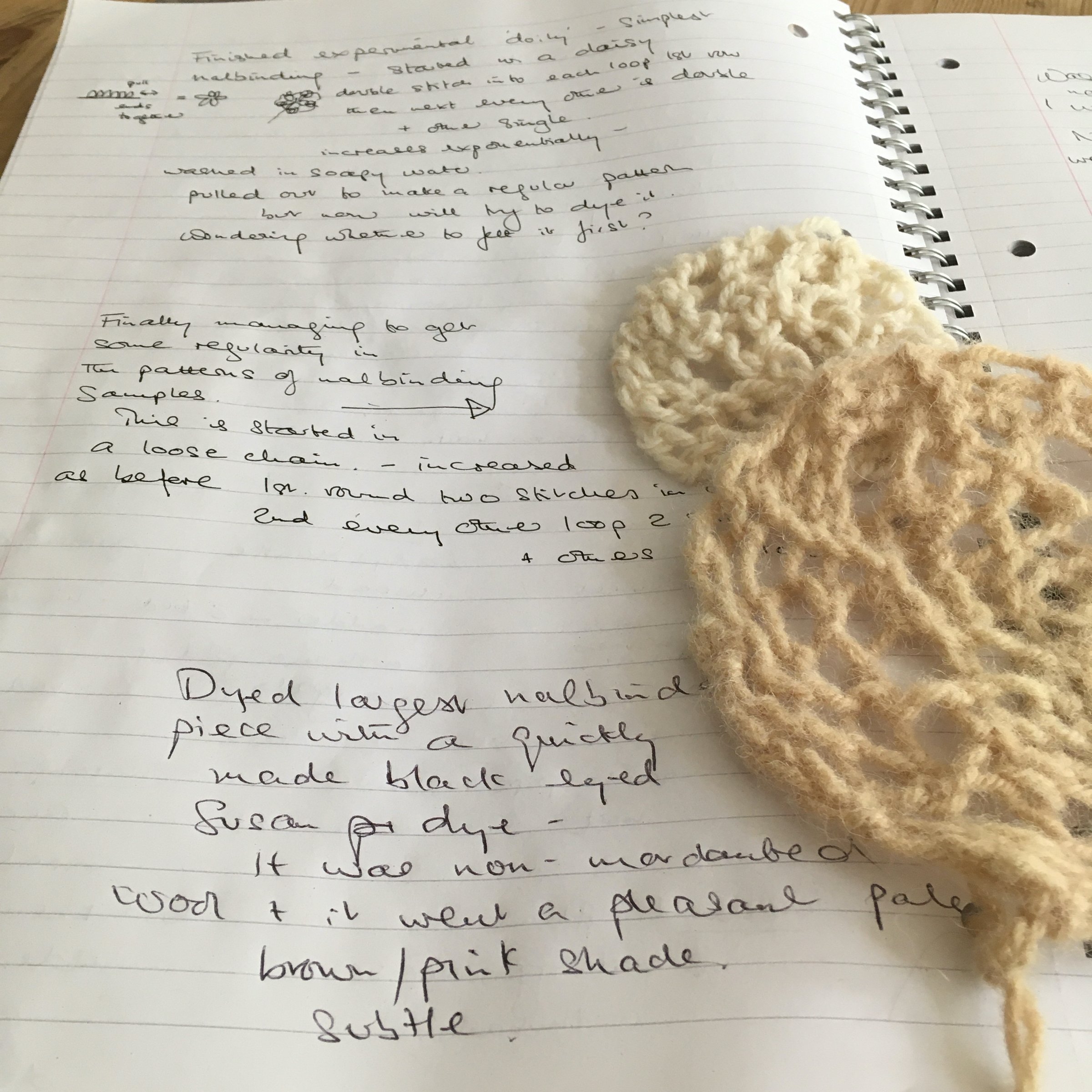
I use wild plant dye to colour wool, paper, cotton and linen.
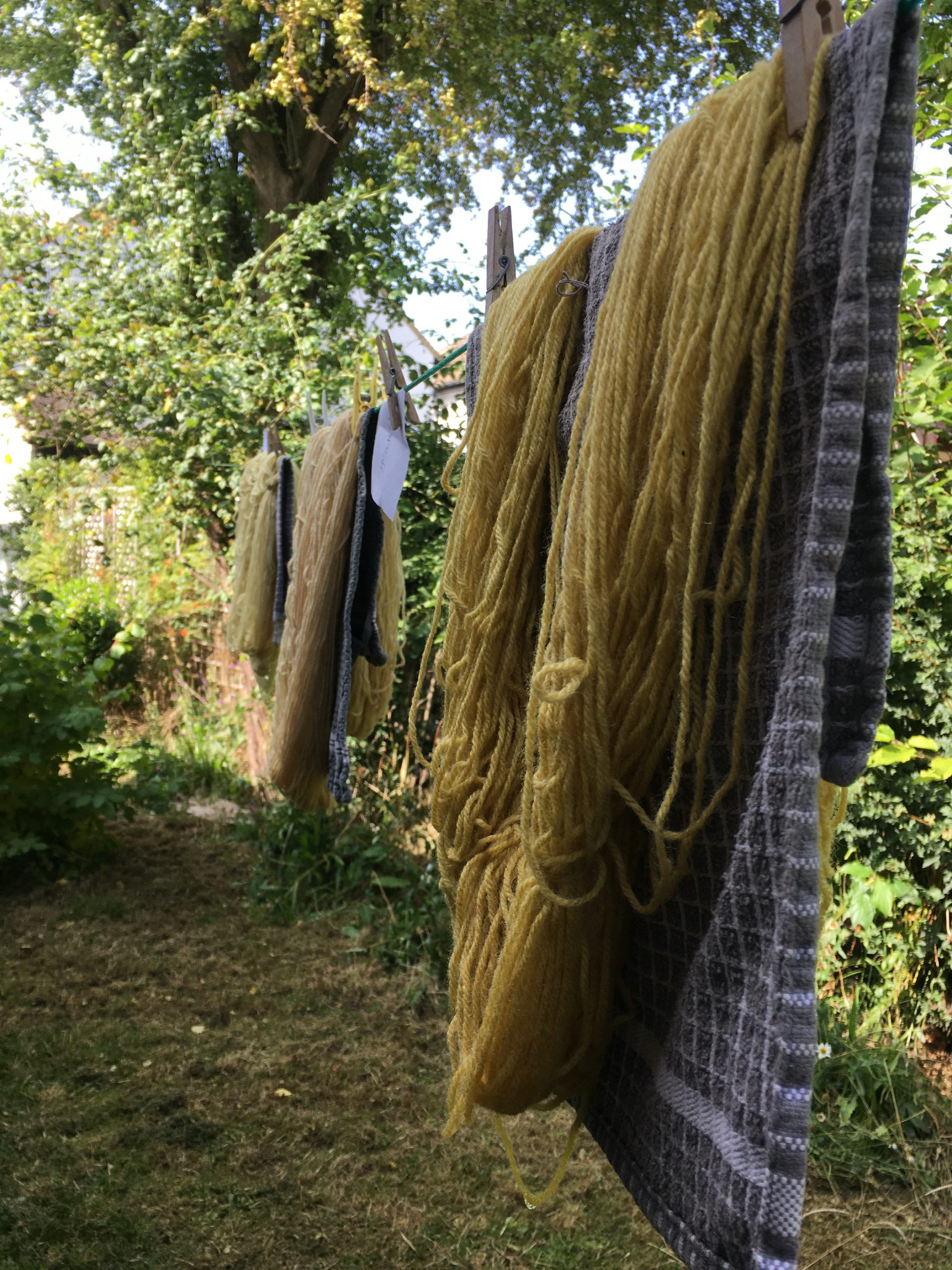
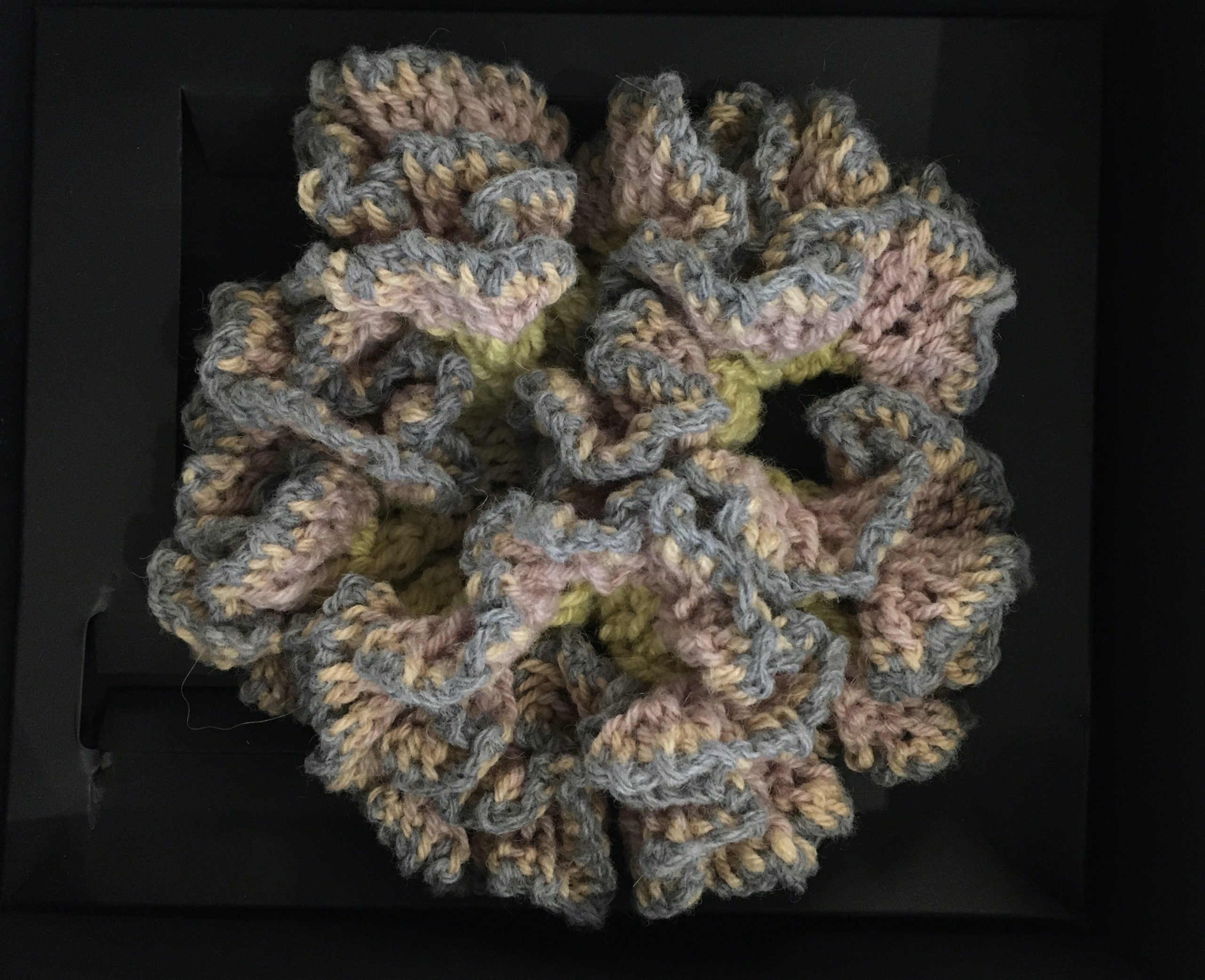
This is a small woollen sculpture called Flora which appeared in my last solo show at The North Wall Gallery Oxford.
Flora was made with sheep’s wool dyed with wild plants, using a technique called Nalebinding – a Scandinavian knotless knitting technique. Flora was the Roman Goddess of Flowers, associated with the coming of Spring.
The Goddess Flora pops up in all my shows in some form or other in a muse-like fashion.
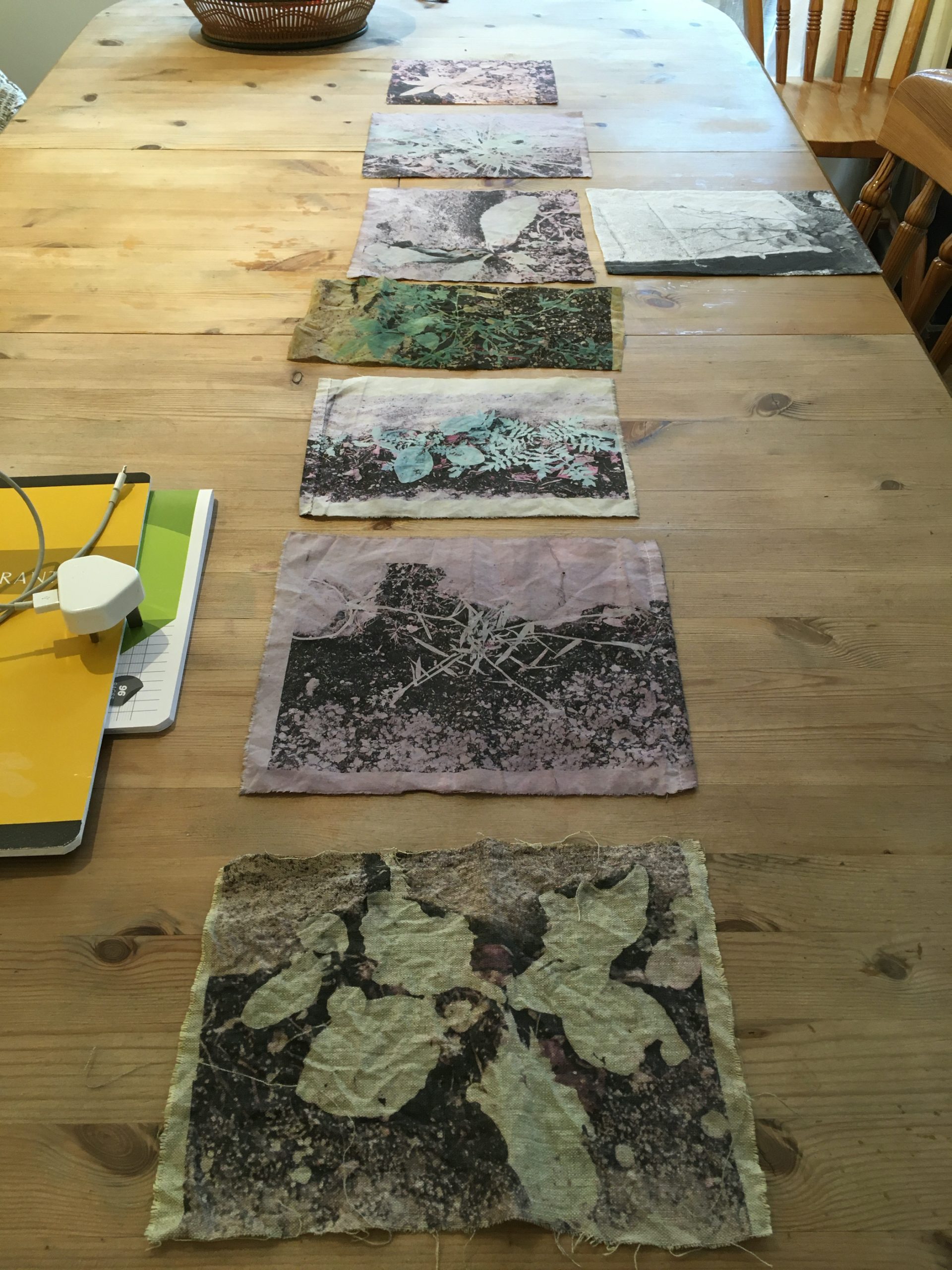
This photo shows the preparation of bunting – a piece which appeared across the ceiling of The North Wall Gallery in 2022, (solo Wilderness Bewilderness). This installation was called The Wild Plants’ Street Party.
I dyed the material and then printed onto each piece photos of wild plants which were growing along our street in the Lockdown of 2020 (when the local council didn’t come and poison them).
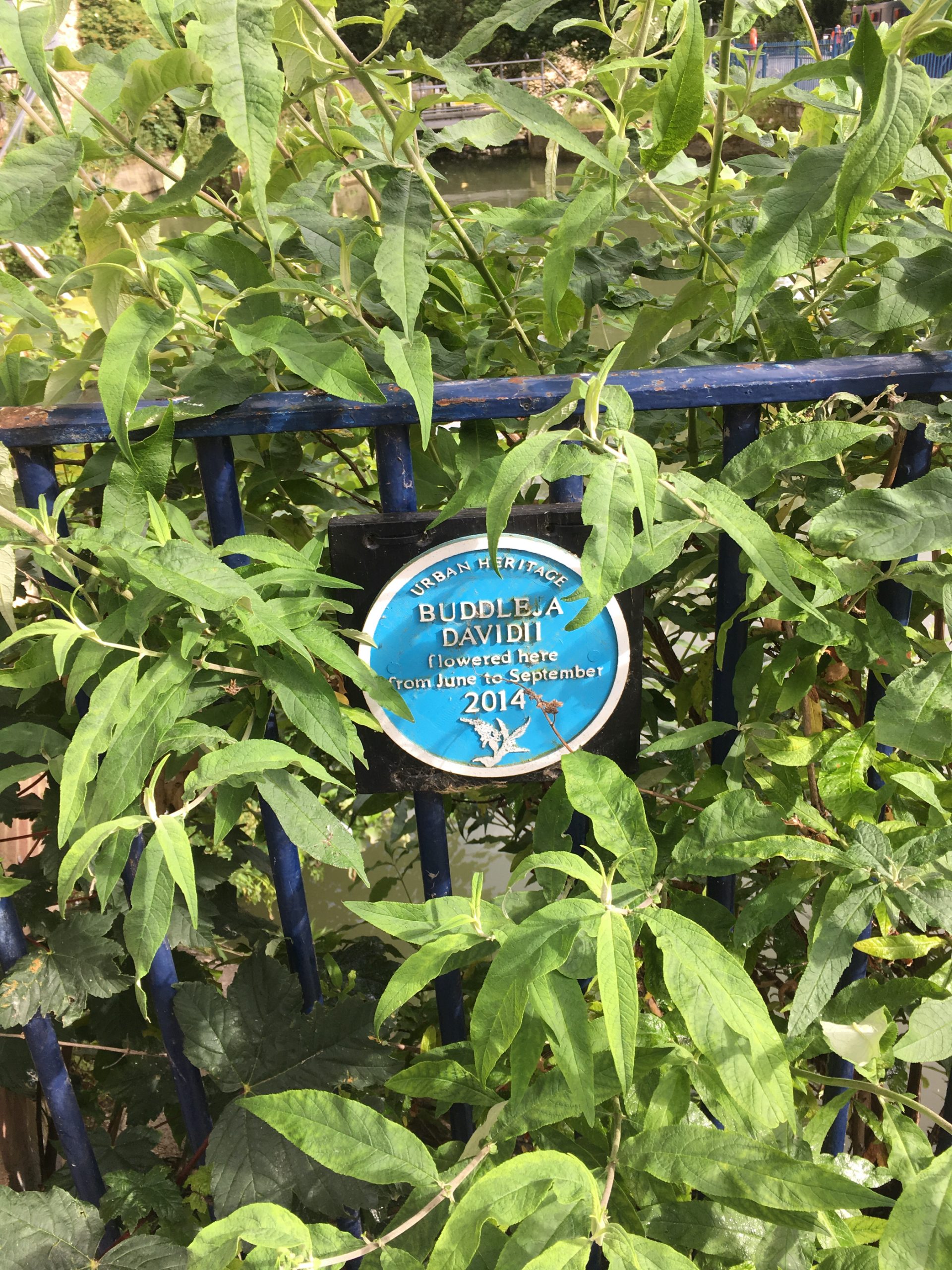
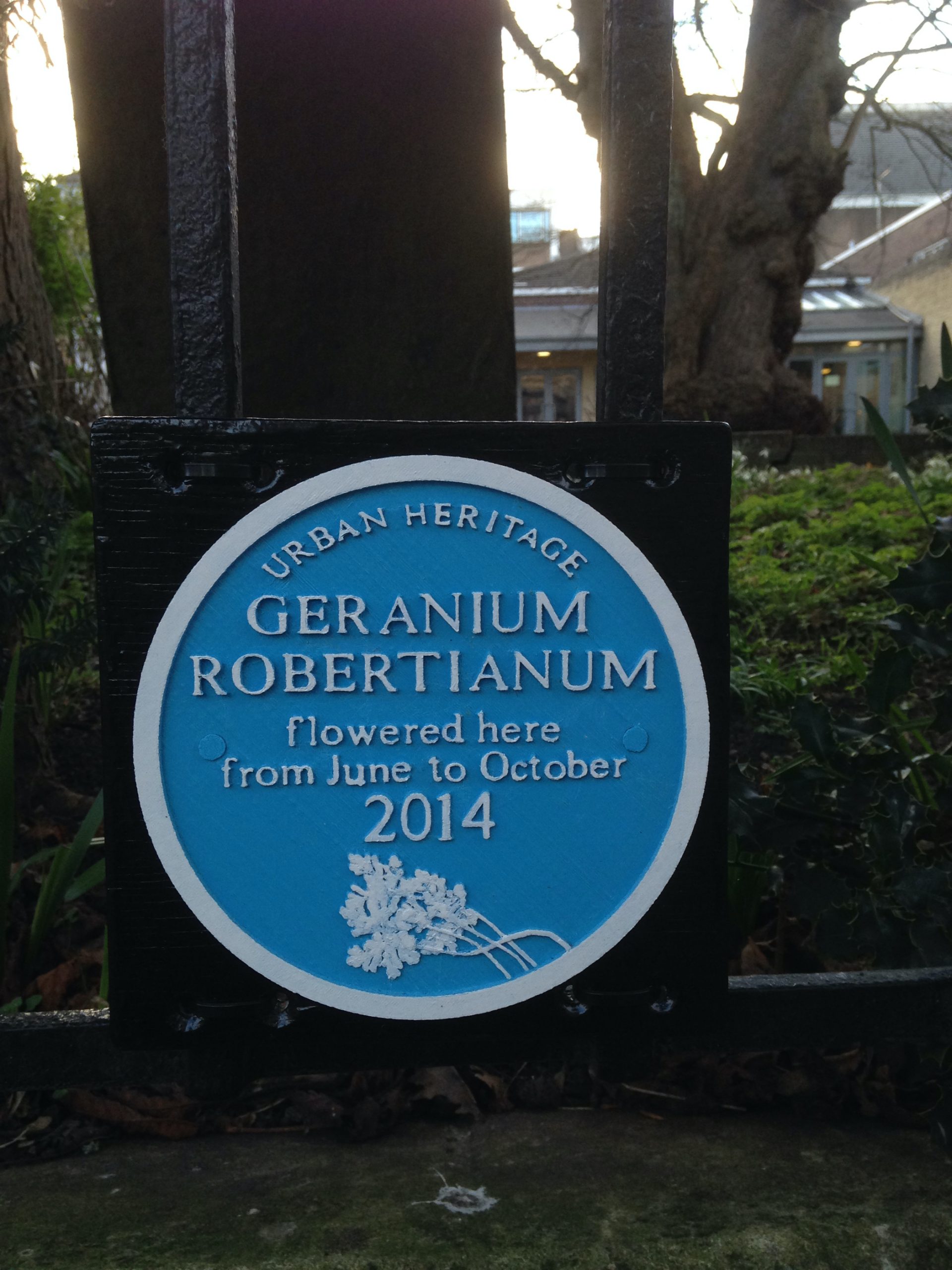
Pop-up Urban Gallery
Occasionally I make and place objects in an urban setting and I wait until they are taken, photographed or noticed by passers-by. The urban space turns into an unofficial gallery for that brief moment.
Sound sketches and drawings
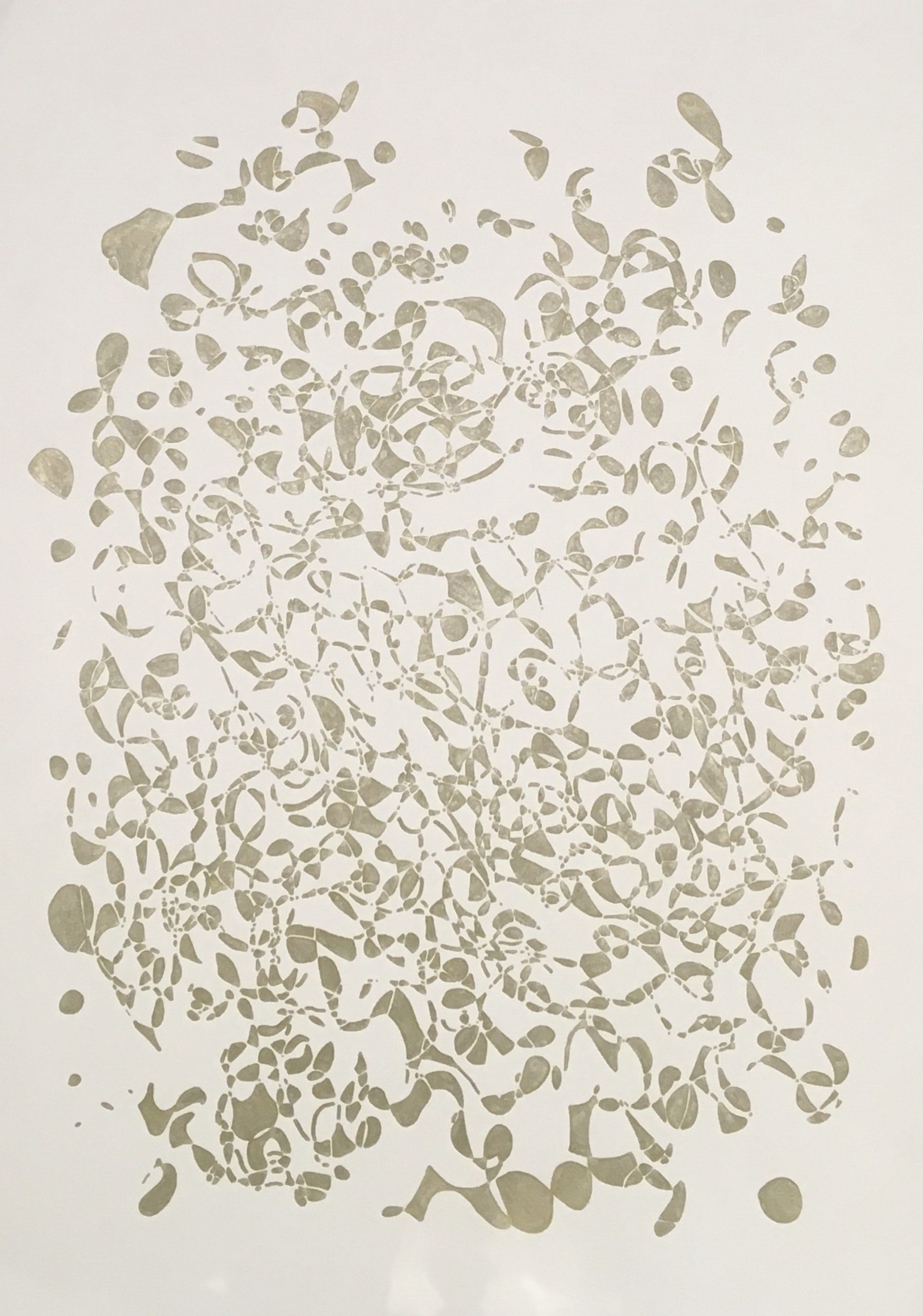
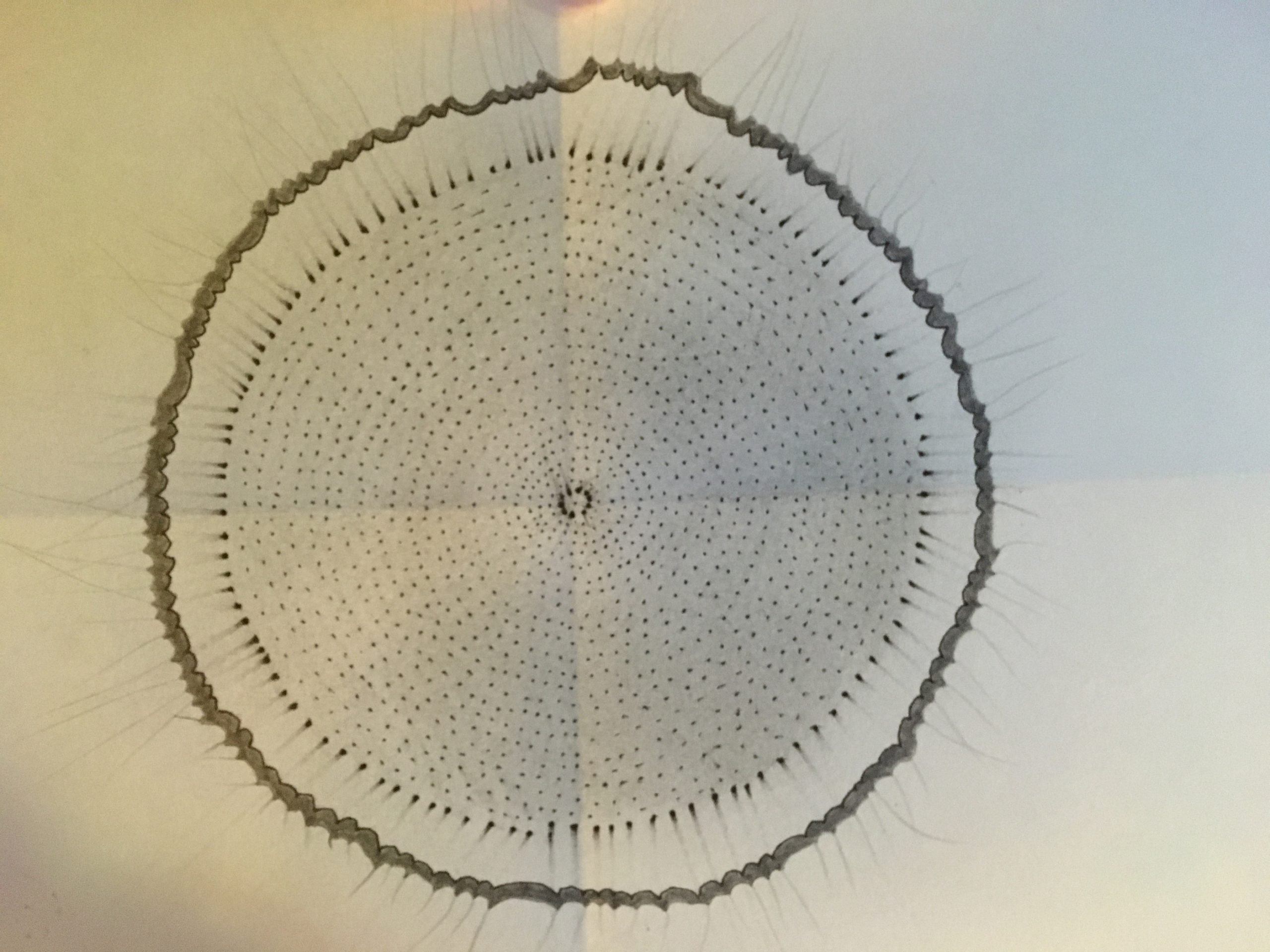
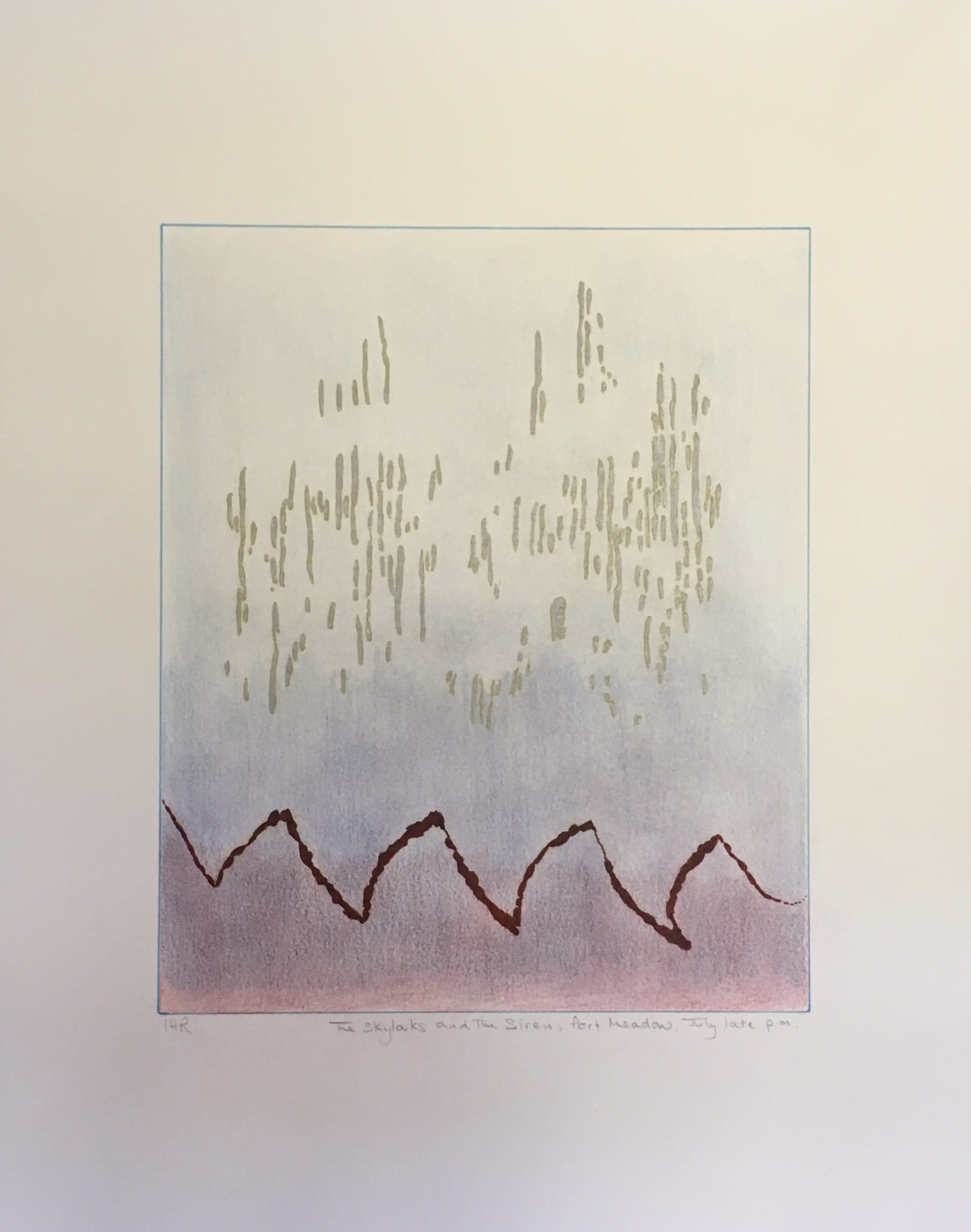
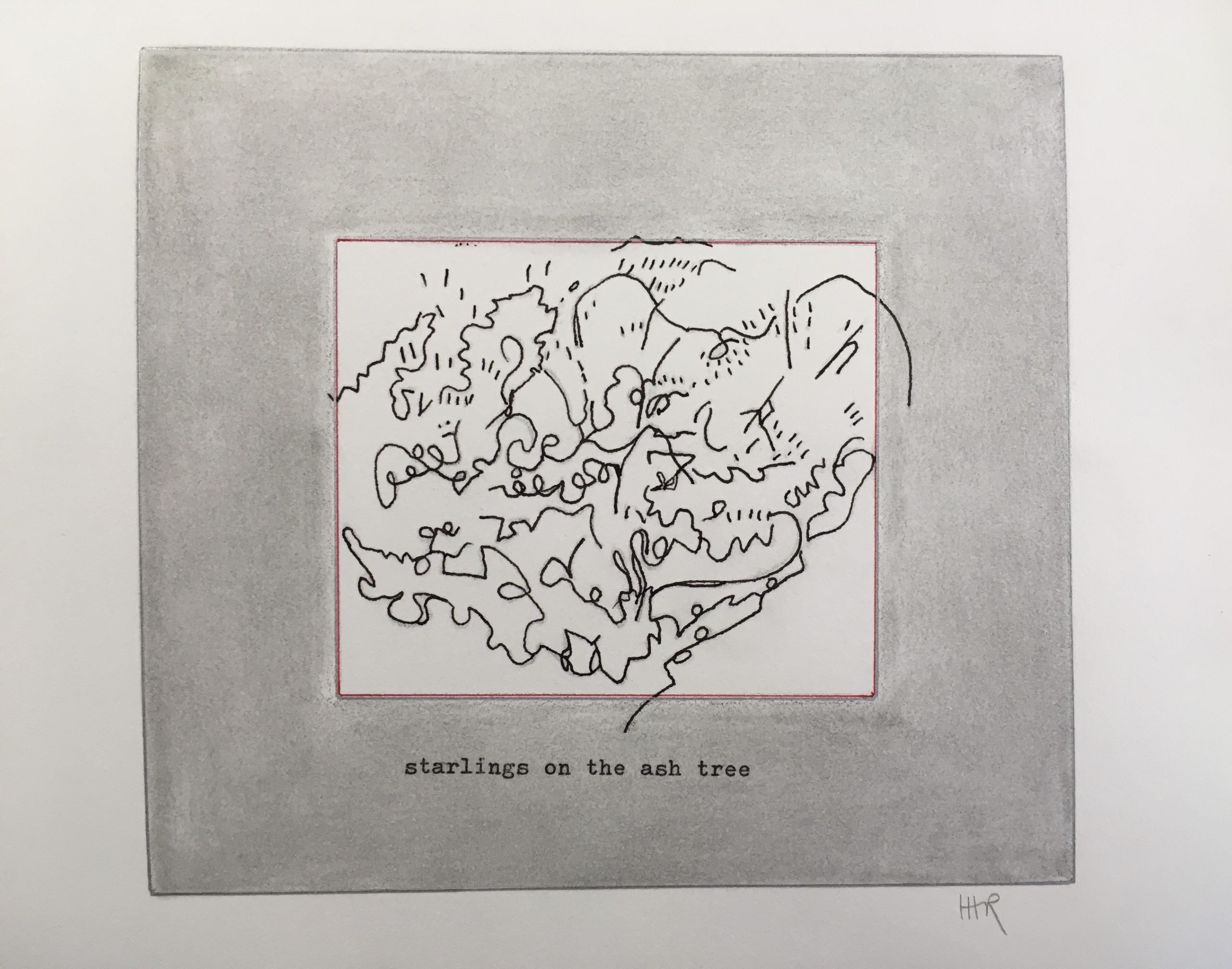
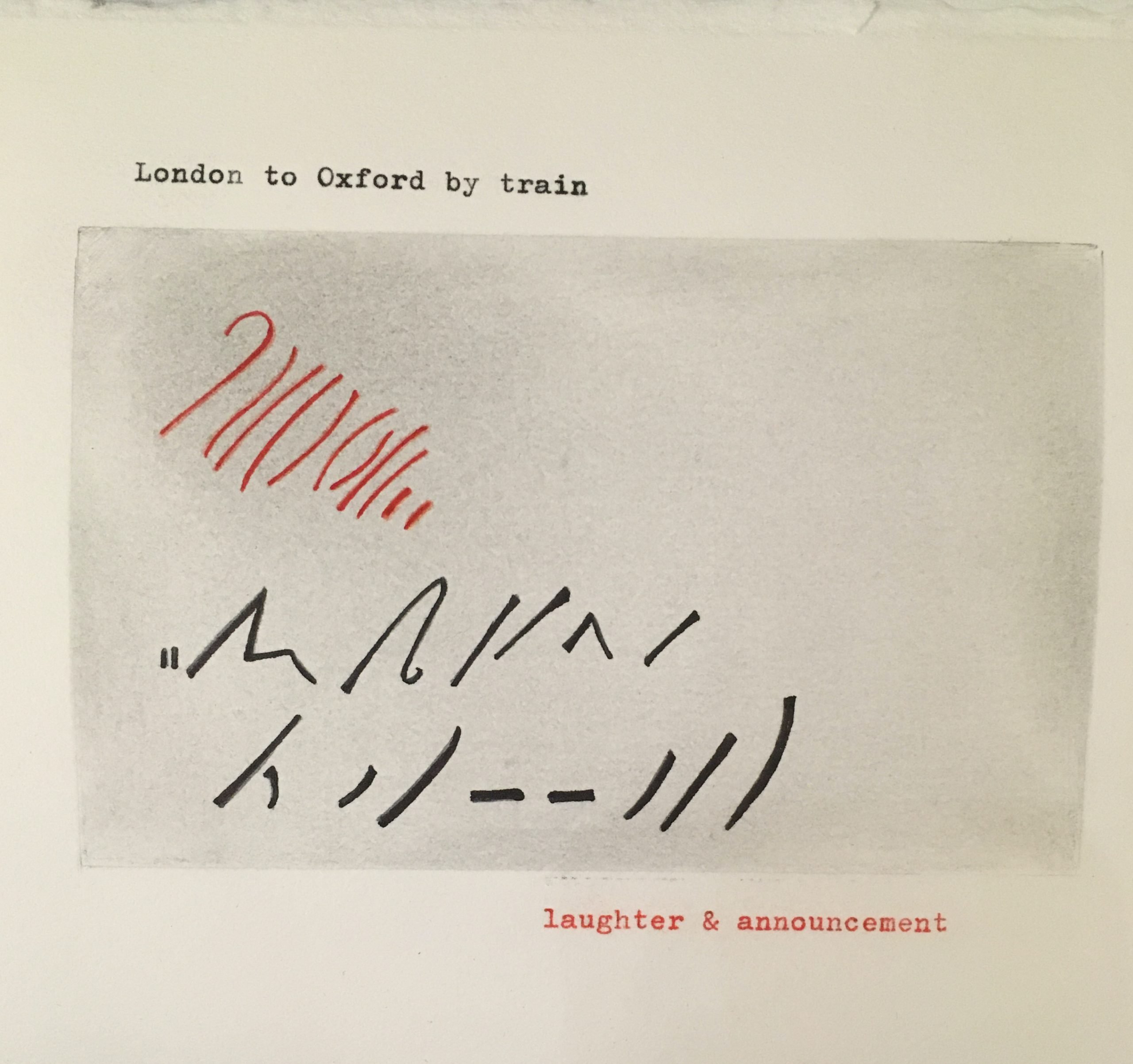
I sketch the sounds that I hear in the garden and elsewhere and also use the soundscape of recordings to make more formal drawings.
These are often, but not always, in protest at the steadily increasing sound pollution where I live and work. It seems that birds must sing earlier and louder in order to be heard above traffic. They are disadvantaged by this and we risk losing them.
Sometimes I sketch sound for the fun of it or because I like the sound that I’m hearing.
The ancient Japanese almanac of 72 micro-seasons
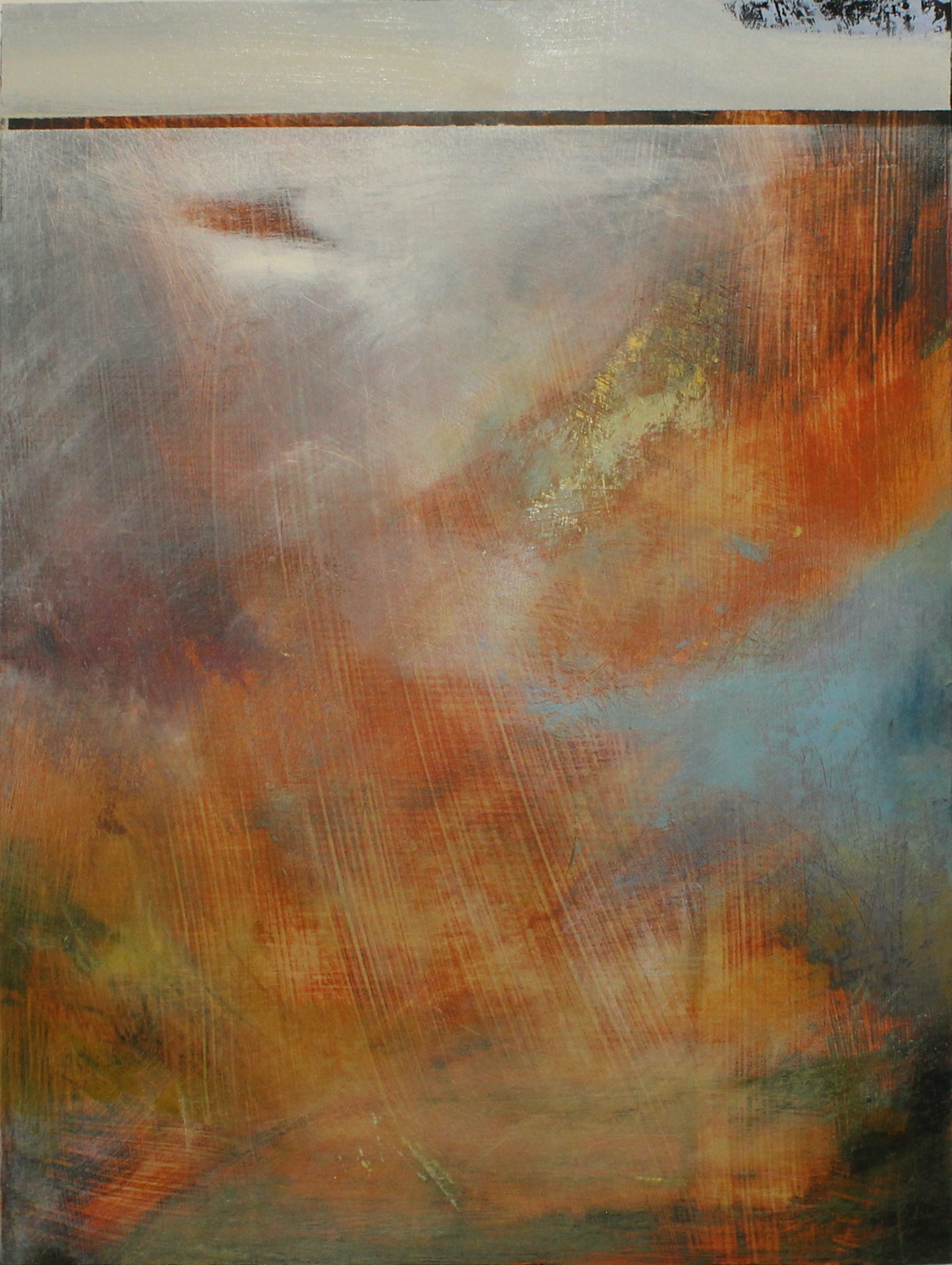
The ancient Japanese Calendar of 72 Microseasons of Impermanence is divided into 24 main sections with titles which describe each period of 15 days in the natural world. Each of these periods is further subdivided, providing three “micro-seasons” which last for just five days.
This poetic way of closely observing the natural world appeals to me and fits well in my art practice. I am making my own version in paintings and, where possible, I am using translations of the original Japanese as titles. When our natural events differ from those in Japan, I am making my own titles but keeping the dates of the original.
Here are a couple of examples:-
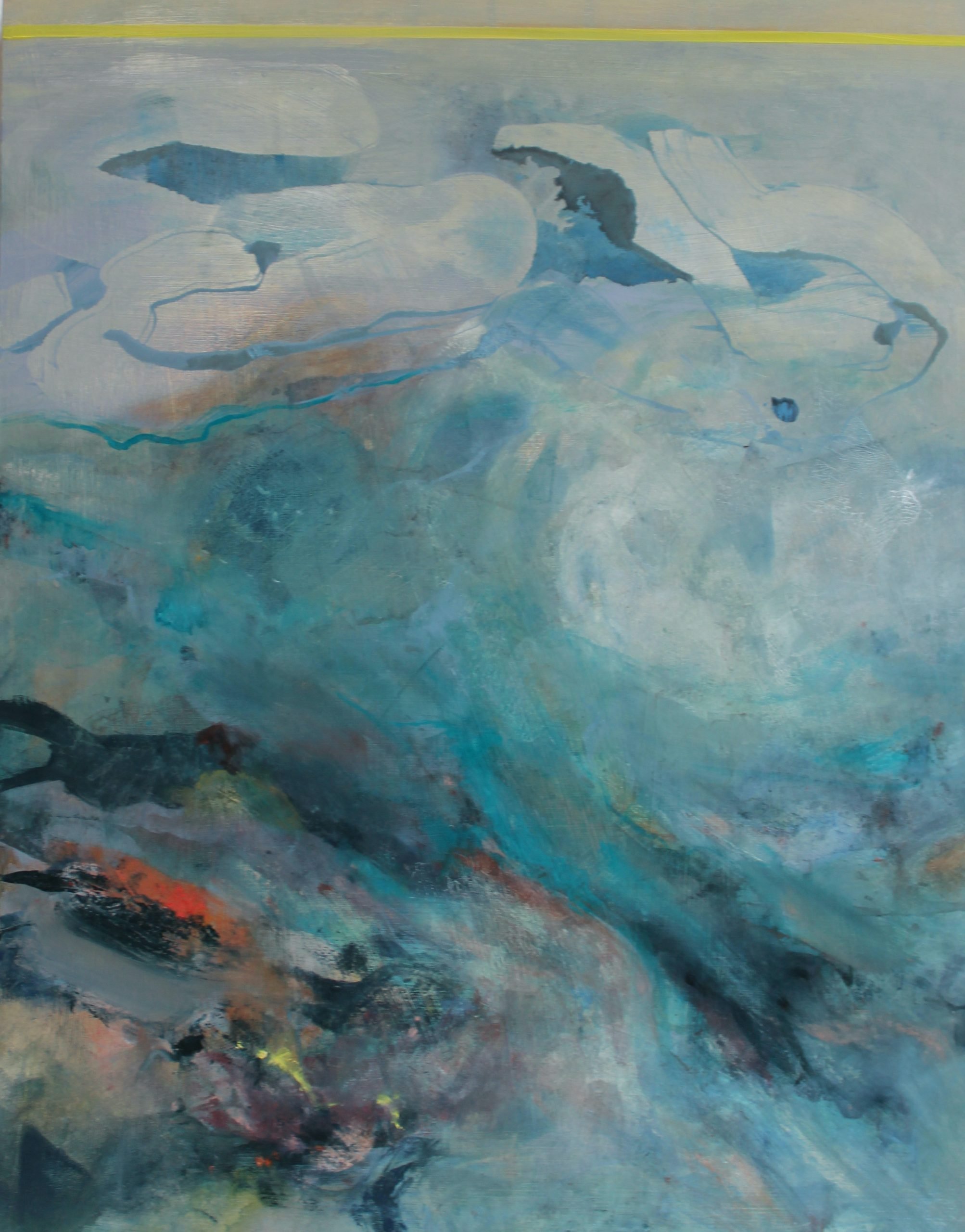
Butterflies Hatch, April 30 to May 4 Dimensions: 61 x 51 x 5.5 cm Materials: ink and water soluble oils on cradled wood panel
Every painting in this series has a line of colour across it. This colour represents the emotional temperature of my response to that time. A calm, white line might tell of a walk on a windless day in winter, while a hot red line might indicate some tension or discomfort. I do not explain these in the titles and the paintings are abstract so the observer is free to dream into them.
I am using cradled wooden panels of various sizes, with ink and water-soluble oils. I rarely use a brush to paint with but use anything else that comes to hand, such as kitchen utensils, wire, cloth… and I scrub the surfaces in the studio sink to make ghost layers. These paintings are very experimental and full of movement. I also use water to draw on them, leaving them overnight to rest. I find the results when I return to the studio. It often feels as if the paintings are collaborating with me and this seems much like our ‘wait and see’ approach to the wild garden.
The majority of the collection – I’m aiming for 24 – will be shown at my next solo show at The North Wall, Oxford in February 2025, possibly to be titled Impermanence.
I’ve felt very honoured to be the online artist in residence for Terre Verte Gallery and have benefited in several ways which are hard to describe but real in my practice. I’ve felt the presence of extra ears to whisper ideas to and extra eyes to witness my projects in their early, experimental stages. Terre Verte has kindly not insisted on any particular timetable or any tangible outcome but the existence of the residency has kept me on track and helped me to gather thoughts and make a collection of work for my most recent solo show, Impermanence, February 12th to March 1st at The North Wall Gallery, Oxford.
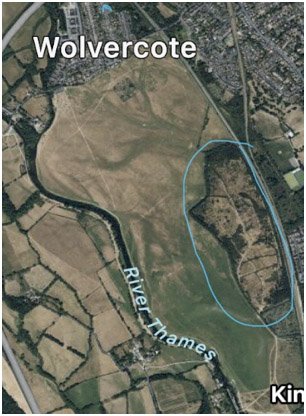
My next step will be to continue in much the same vein but now as artist in residence to Burgess Field, Oxford, culminating in another solo show at The
North Wall gallery, Oxford in October 2027. I have time to play. I plan to begin by making materials using plants that grow there. Anything is possible in any medium and I’ll wait and see what’s called for here.
Burgess Field is my kind of place, compromised and scruffy. It was a town dump for years and the land is forever throwing back plastics and pottery, glass and untold trash but the plants grow over the scars. Most trees don’t grow tall but the hawthorn and blackthorn thickets are full of birds and young saplings, wild flowers and hedges are thriving, thanks to a team of dedicated people led by Richard Gordon. My husband, Steve Lunn, has been working on this patch of scrubland for years now and is the person behind the most recent initiative, Nightingale Dreams. We work, keep our heads down and dare to dream.
Thank you Richard Sharland and Terre Verte gallery for your gentle help and encouragement.
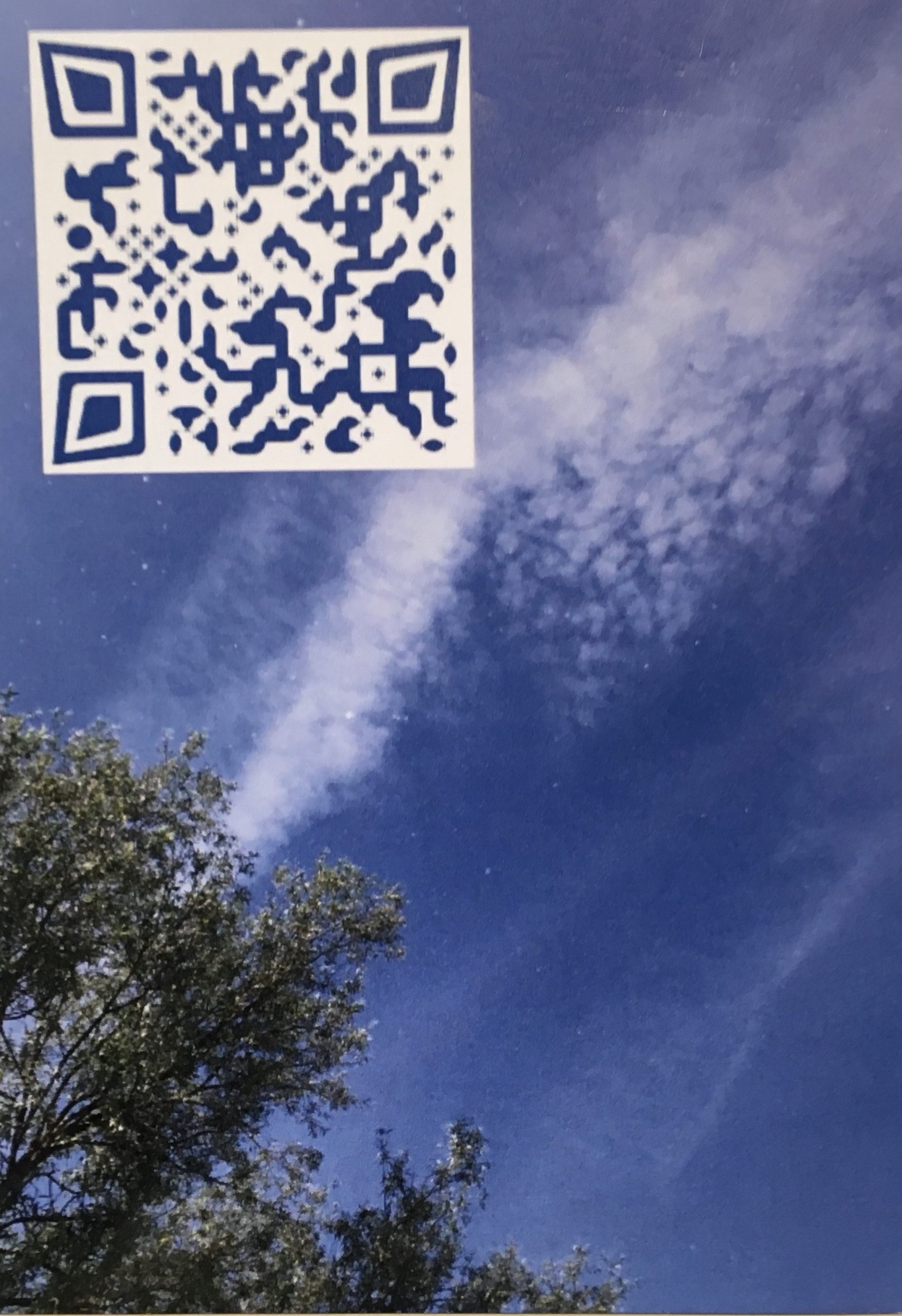
Contact via www.linktr.ee/imorigden for updates and collaborative possibilities.