Online Resident Artist:
IMOGEN RIGDEN
UPDATE: OCTOBER 2024:
I would like to share a few images and a short video of my ongoing work and give you some idea of what I’ve been doing.
This year, as usual, I’ve been learning new skills and meeting new people, face to face and virtually on Instagram, a good meeting place for artists who are working across the world from one another.
I have an account with Fibre Arts Take Two, https://www.fibreartstaketwo.com and I will always have access to the courses that I follow on the site. This works very well for me as I can study when I have time and access to the internet and can always go back to check if I’ve forgotten how to do something.
My first Fibre Arts course was Form to Freedom – Weaving for Fibre Sculpture with Harriet Goodall who is based in Australia.
I find weaving natural materials hard but also somehow calming and it fits very well with my practice generally, which is to use plants from the garden in my work.
In April while I was in Scotland I embarked on another of these courses – called Sensing Place – A Material Response, led by Debbie Lyddon, who is based in Norfolk. I worked in my studio with materials from the garden and beyond, playing with new methods and ideas.
Sound sketches and drawings
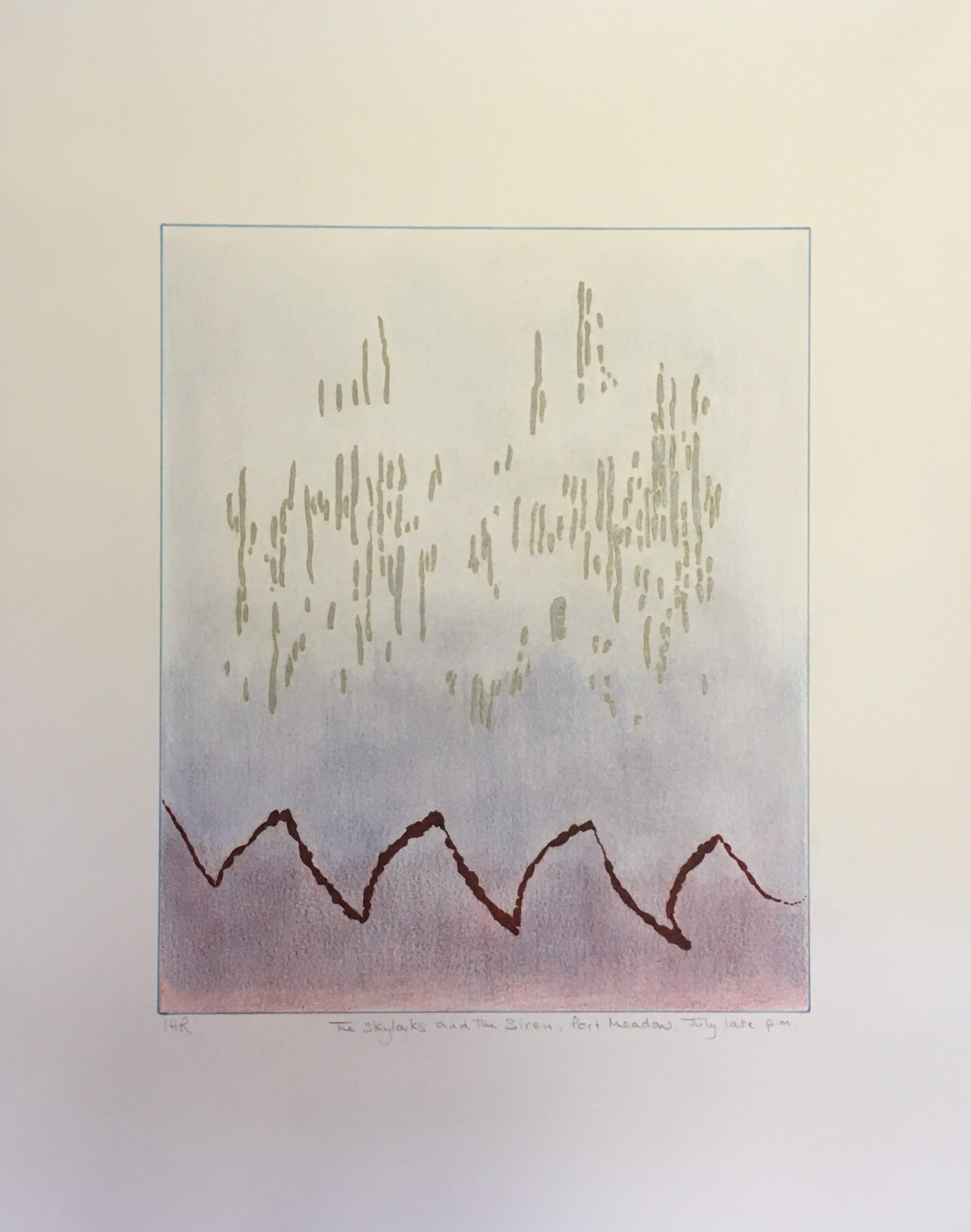
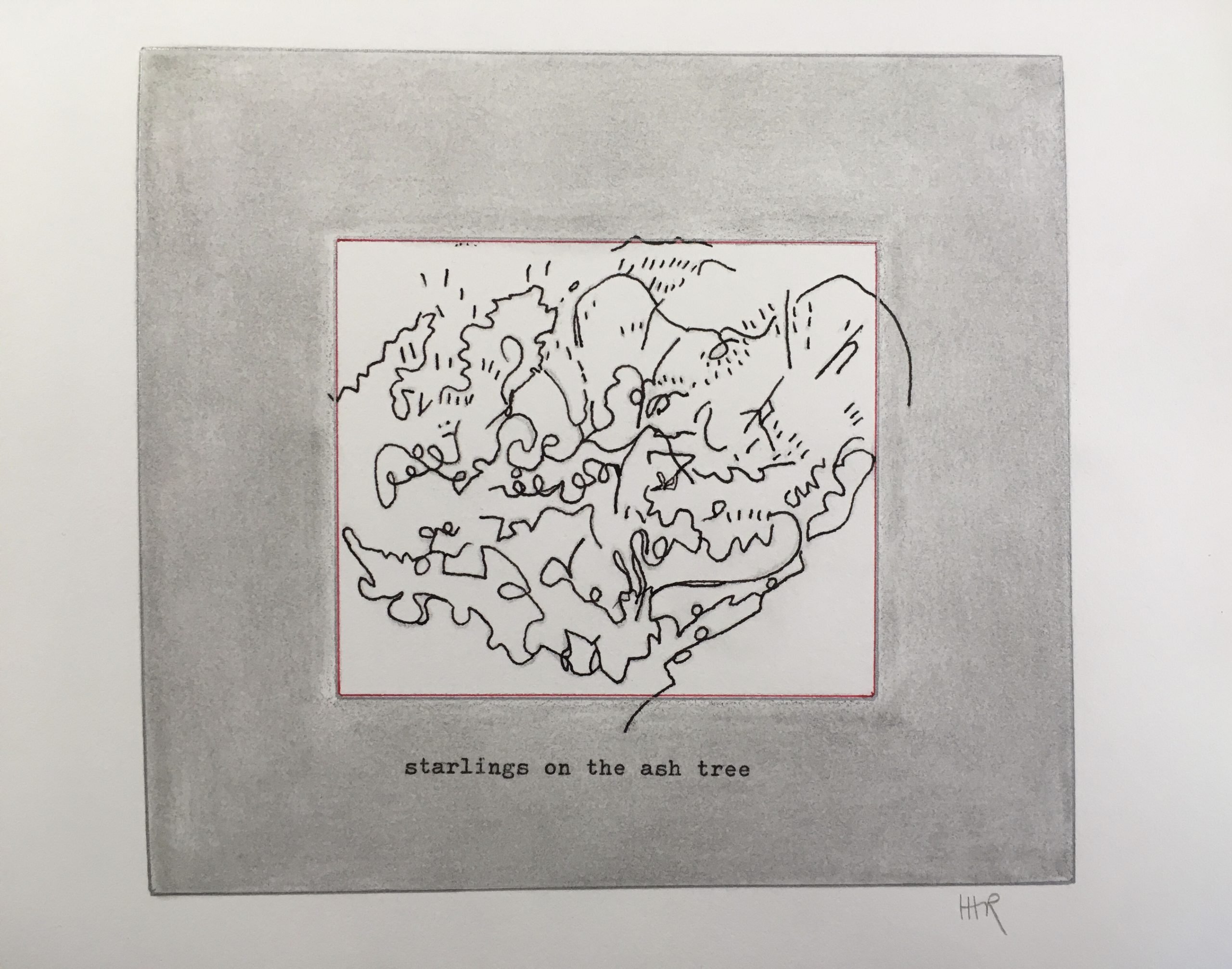
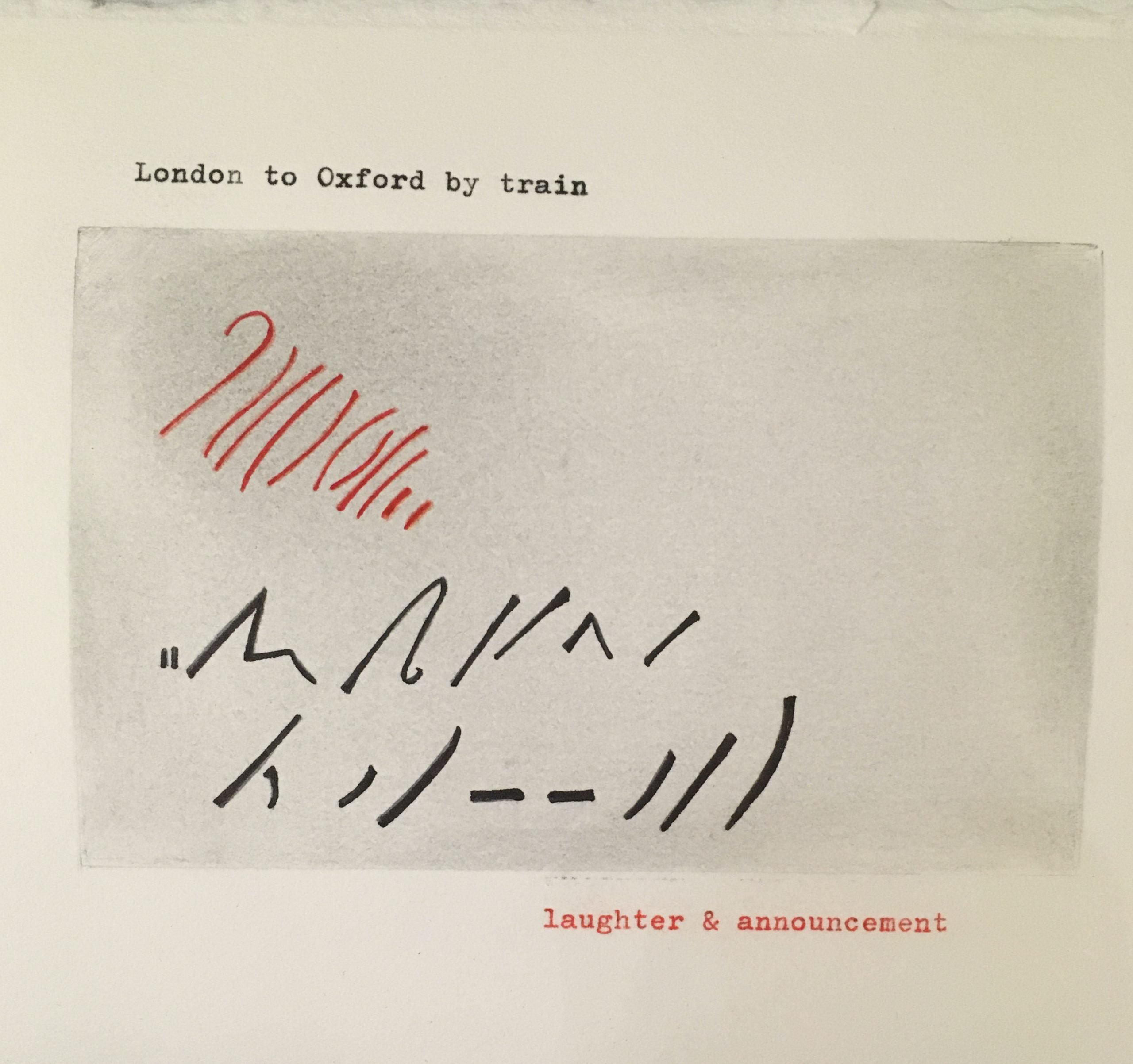
I sketch the sounds that I hear in the garden and elsewhere and also use the soundscape of recordings to make more formal drawings.
These are often, but not always, in protest at the steadily increasing sound pollution where I live and work. It seems that birds must sing earlier and louder in order to be heard above traffic. They are disadvantaged by this and we risk losing them.
Sometimes I sketch sound for the fun of it or because I like the sound that I’m hearing.
The ancient Japanese almanac of 72 micro-seasons
The ancient Japanese Calendar of 72 Microseasons of Impermanence is divided into 24 main sections with titles which describe each period of 15 days in the natural world. Each of these periods is further subdivided, providing three “micro-seasons” which last for just five days.
This poetic way of closely observing the natural world appeals to me and fits well in my art practice. I am making my own version in paintings and, where possible, I am using translations of the original Japanese as titles. When our natural events differ from those in Japan, I am making my own titles but keeping the dates of the original.
Here are a couple of examples:-
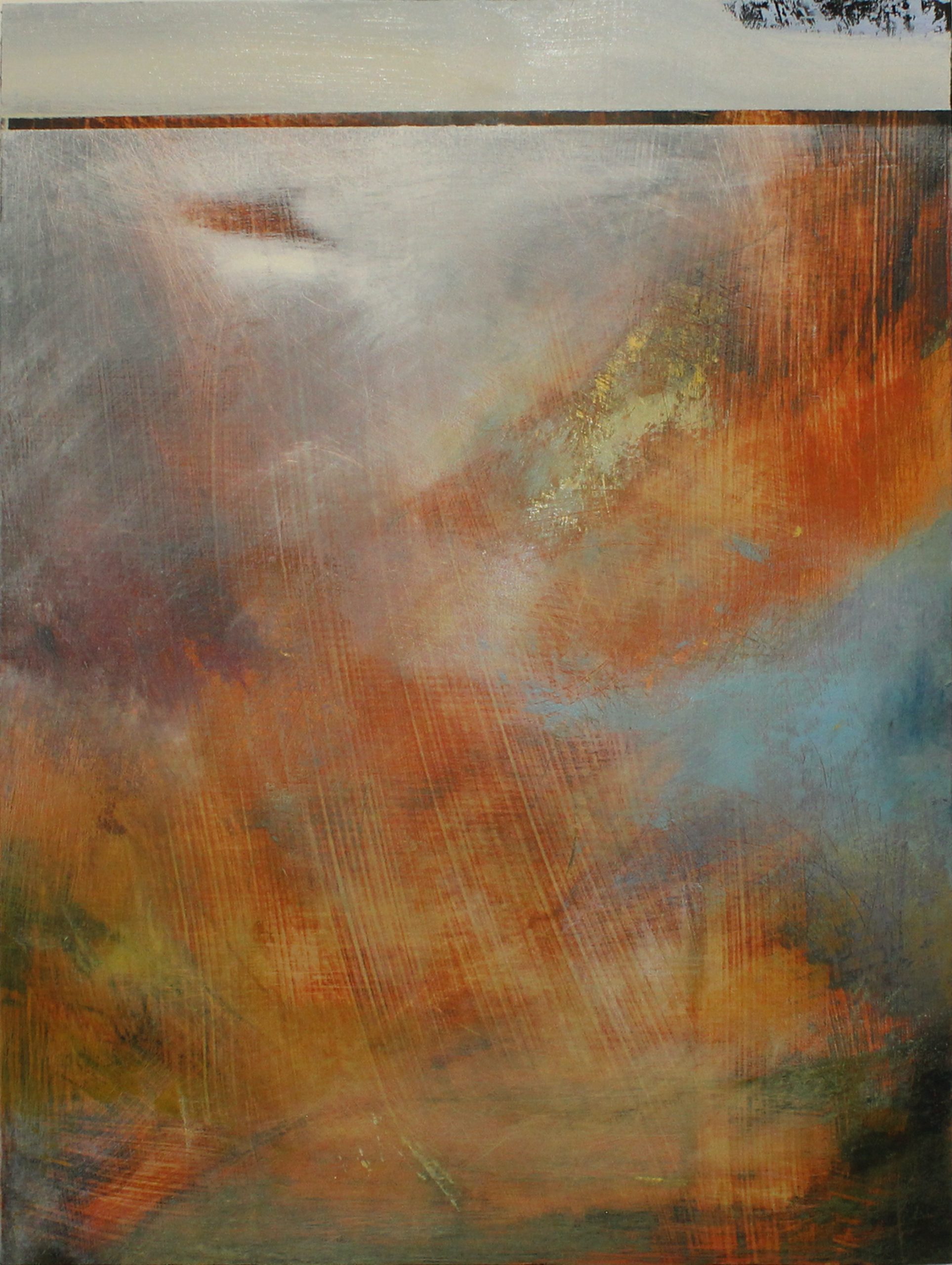
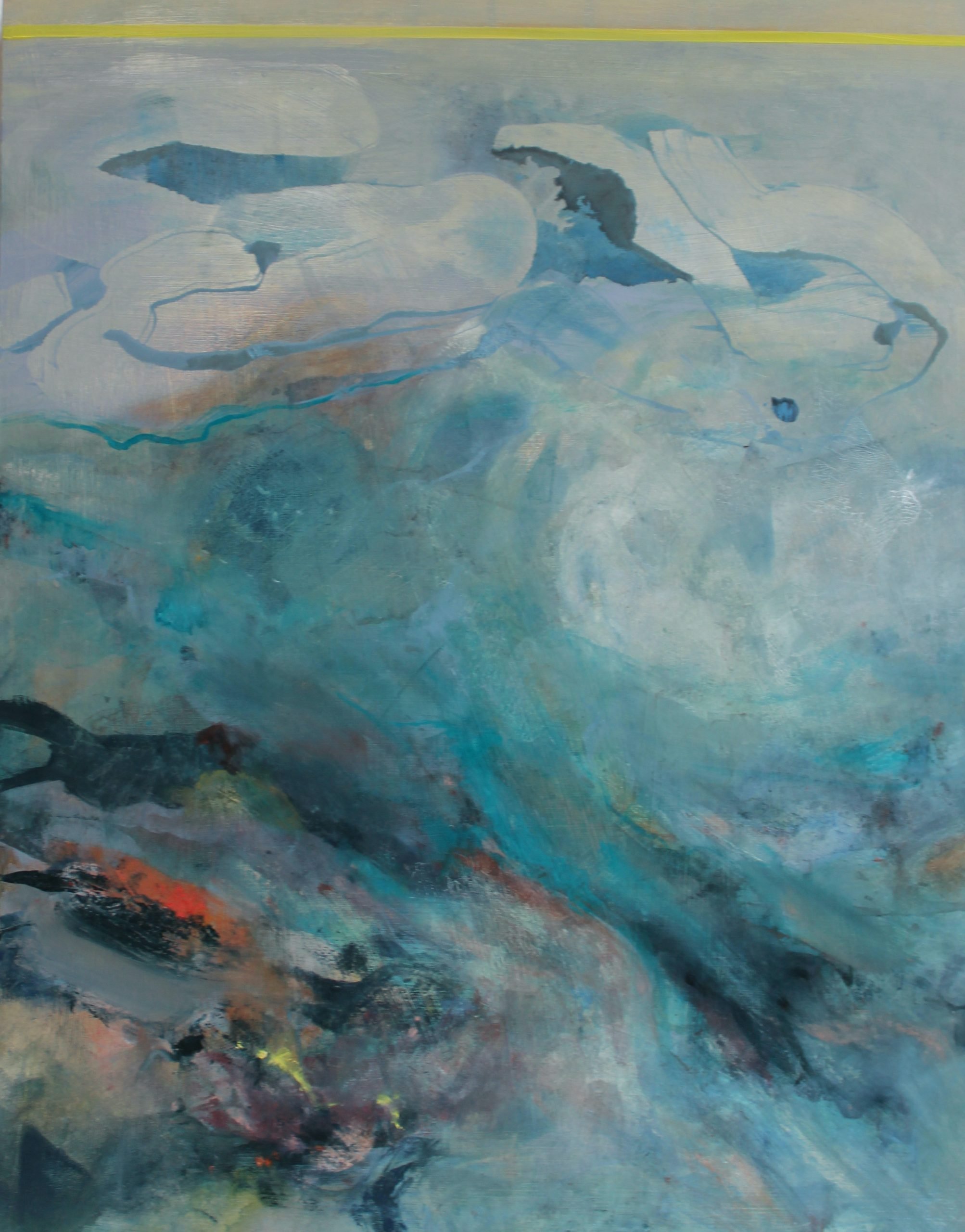
Butterflies Hatch, April 30 to May 4 Dimensions: 61 x 51 x 5.5 cm Materials: ink and water soluble oils on cradled wood panel
Every painting in this series has a line of colour across it. This colour represents the emotional temperature of my response to that time. A calm, white line might tell of a walk on a windless day in winter, while a hot red line might indicate some tension or discomfort. I do not explain these in the titles and the paintings are abstract so the observer is free to dream into them.
I am using cradled wooden panels of various sizes, with ink and water-soluble oils. I rarely use a brush to paint with but use anything else that comes to hand, such as kitchen utensils, wire, cloth… and I scrub the surfaces in the studio sink to make ghost layers. These paintings are very experimental and full of movement. I also use water to draw on them, leaving them overnight to rest. I find the results when I return to the studio. It often feels as if the paintings are collaborating with me and this seems much like our ‘wait and see’ approach to the wild garden.
The majority of the collection – I’m aiming for 24 – will be shown at my next solo show at The North Wall, Oxford in February 2025, possibly to be titled Impermanence.